


Hey there! I'm a supplier of Jacquard cloth, and today I'm super excited to share with you the ins and outs of how to dye Jacquard cloth. Whether you're a fashion designer looking to add some unique colors to your creations or a DIY enthusiast wanting to give your old Jacquard fabric a new lease on life, this guide is for you.
First things first, let's talk a bit about Jacquard cloth. It's a really cool type of fabric that's known for its intricate patterns. These patterns are woven right into the fabric, not printed on top. That means when you dye it, you've got to be careful to make sure the pattern stays sharp and the color comes out just right.
Preparing the Jacquard Cloth
Before you start the dyeing process, you need to prep your Jacquard cloth. This step is crucial because it helps the dye adhere better and gives you a more even color.
- Washing: Give your Jacquard cloth a good wash. Use a mild detergent and make sure to rinse it thoroughly. This gets rid of any dirt, oils, or sizing that might be on the fabric. You don't want these things getting in the way of the dye.
- Soaking: After washing, soak the cloth in a solution of water and fabric softener. This helps to open up the fibers of the fabric, making it easier for the dye to penetrate. Leave it in the solution for about 30 minutes, then rinse it out.
Choosing the Right Dye
There are a few different types of dyes you can use for Jacquard cloth, and the one you choose depends on a few factors like the fiber content of the fabric and the look you're going for.
- Fiber Reactive Dyes: These are great for natural fibers like cotton, linen, and silk. They bond chemically with the fibers, giving you a long - lasting and vibrant color. They're a bit more involved to use, but the results are worth it.
- Acid Dyes: If your Jacquard cloth has synthetic fibers like nylon or silk, acid dyes are a good choice. They work well with protein - based fibers and can produce some really bright colors.
- All - Purpose Dyes: These are a convenient option if your Jacquard cloth is a blend of different fibers. They can work on both natural and synthetic fibers, but the color might not be as intense as with the other types of dyes.
The Dyeing Process
Now that you've prepped your cloth and chosen your dye, it's time to start dyeing.
- Mixing the Dye: Follow the instructions on the dye package to mix the dye. Usually, you'll need to dissolve the dye in hot water. Make sure you stir it well to get an even color.
- Dye Bath: Fill a large pot or container with enough water for your cloth to move around freely. Add the dissolved dye to the water and stir it well. The temperature of the water depends on the type of dye you're using. For fiber reactive dyes, you'll usually want warm water, while acid dyes often work best in hot water.
- Adding the Cloth: Gently lower your pre - soaked Jacquard cloth into the dye bath. Use a long spoon or a pair of tongs to move the cloth around in the dye. This helps to ensure that the color is evenly distributed. Keep the cloth in the dye bath for the recommended time on the dye package. This can range from 30 minutes to a few hours, depending on the color intensity you want.
- Rinsing: Once the time is up, carefully remove the cloth from the dye bath. Rinse it under cold water until the water runs clear. This gets rid of any excess dye.
Fixing the Color
After rinsing, you need to fix the color so it doesn't fade.
- Using a Fixative: Some dyes come with a fixative, or you can buy one separately. Follow the instructions on the fixative package to apply it to your dyed cloth. Usually, you'll soak the cloth in a solution of the fixative and water for a certain amount of time.
- Drying: After applying the fixative, rinse the cloth again under cold water. Then, let it dry. You can air - dry it or use a dryer on a low heat setting.
Tips and Tricks
- Test First: Before you dye your whole piece of Jacquard cloth, cut off a small piece and test the dye on it. This way, you can see how the color turns out and make any adjustments if needed.
- Layering Colors: If you want a more complex color scheme, you can layer different colors of dye. Just make sure to let each layer dry completely before adding the next one.
- Pattern Protection: To keep the pattern of your Jacquard cloth sharp, you can use a resist technique. You can apply wax or a special resist solution to the parts of the fabric where you don't want the dye to go.
Some Great Jacquard - Related Fabrics
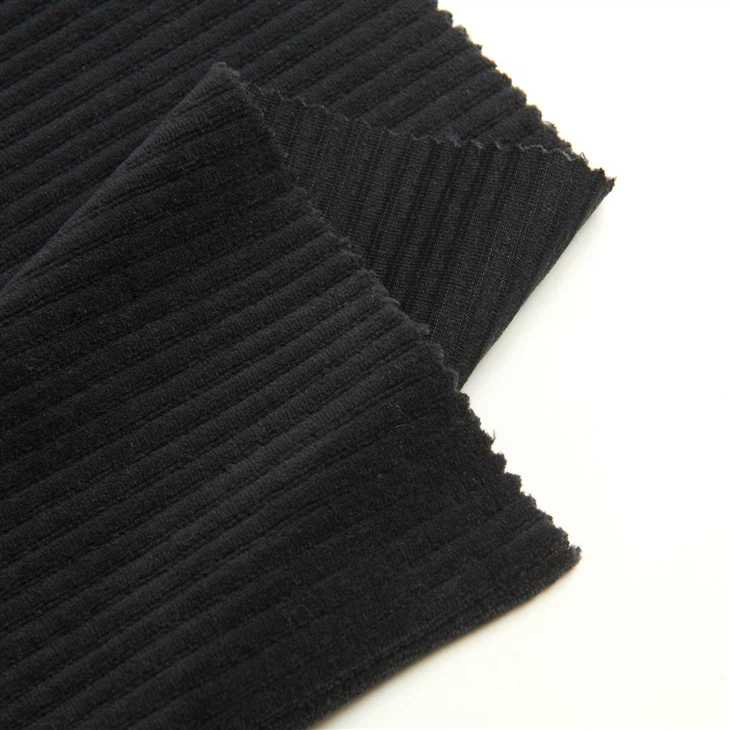
If you're looking for different types of fabrics related to Jacquard, I've got some great options for you. Check out our Checkered Jacquard Fabric. It's got a really cool checkered pattern and can be dyed in all sorts of colors. Also, our Collagen knitted fabric is a unique choice that combines comfort and style. And if you're into a more luxurious look, our Ribbed Velvet Fabric is a great option.
Contact for Purchase
If you're interested in buying Jacquard cloth or any of the other fabrics I mentioned, I'd love to hear from you. Whether you're a small - scale designer or a large - scale manufacturer, we can work together to meet your fabric needs. Just reach out to us, and we can start discussing your requirements.

References
- "The Complete Guide to Fabric Dyeing" by Jane Smith
- "Textile Dyeing Techniques" by John Doe
So there you have it, folks! That's how you dye Jacquard cloth. I hope this guide has been helpful to you. If you have any questions or want to share your own dyeing experiences, feel free to leave a comment.


