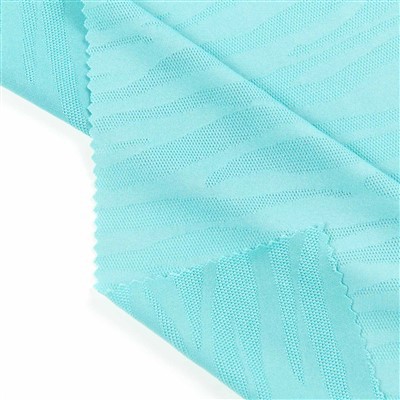
Do knitted fabrics pill easily? This is a question that many of our customers, from fashion designers to home decorators, often ask. As a leading supplier of knitted fabrics, we've spent years researching and understanding the factors that contribute to pilling in knitted materials. In this blog post, we'll explore the science behind pilling, the types of knitted fabrics that are more prone to it, and how you can prevent or minimize pilling in your projects.
What is Pilling?
Pilling occurs when short fibers on the surface of a fabric become loose and tangle together, forming small balls or "pills" on the fabric's surface. This can happen due to friction, such as when the fabric rubs against other surfaces during normal wear or washing. The pilling process is a natural consequence of the fabric's structure and the properties of the fibers used.
Factors Affecting Pilling in Knitted Fabrics
Fiber Type
The type of fiber used in a knitted fabric plays a significant role in its pilling tendency. Natural fibers like wool and cotton are more likely to pill compared to synthetic fibers. Wool fibers are curly and have a scaly surface, which makes them more prone to tangling. Cotton fibers, on the other hand, are relatively short and can break loose from the fabric structure more easily.


Synthetic fibers such as polyester and nylon are generally more resistant to pilling. These fibers are smooth and have a more uniform structure, which reduces the likelihood of fibers tangling together. However, some synthetic blends may still pill, especially if they contain a high percentage of natural fibers.
Fabric Construction
The way a knitted fabric is constructed also affects its pilling resistance. Fabrics with a looser knit structure are more likely to pill because the fibers are not as tightly held in place. In contrast, fabrics with a tighter knit, such as Ribbed Velvet Fabric, tend to be more resistant to pilling.
The type of stitch used in the knitting process can also influence pilling. For example, fabrics with a jersey stitch are more prone to pilling than those with a rib stitch. This is because the jersey stitch has a more open structure, allowing fibers to move more freely.
Yarn Quality
The quality of the yarn used in a knitted fabric is another important factor. Low-quality yarns often contain a higher percentage of short fibers, which are more likely to break loose and form pills. High-quality yarns, on the other hand, are made from longer, more uniform fibers, which are less likely to pill.
Types of Knitted Fabrics and Their Pilling Tendencies
Wool Knits
Wool is a popular choice for knitted fabrics due to its warmth and softness. However, wool knits are also one of the most prone to pilling. As mentioned earlier, the curly and scaly nature of wool fibers makes them more likely to tangle together. To reduce pilling in wool knits, it's important to choose high-quality wool yarns and to follow proper care instructions.
Cotton Knits
Cotton knits are widely used in the fashion industry for their breathability and comfort. However, they are also susceptible to pilling, especially if they are made from low-quality cotton. Striped Mesh Pique, a type of cotton knit, can be prone to pilling due to its open mesh structure. To minimize pilling in cotton knits, look for fabrics made from long-staple cotton and avoid rough handling during washing.
Synthetic Knits
Synthetic knits, such as polyester and nylon, are generally more resistant to pilling. These fabrics are often used in sportswear and activewear because of their durability and low maintenance. However, some synthetic blends may still pill, especially if they contain a high percentage of natural fibers.
Blended Knits
Blended knits, which combine natural and synthetic fibers, can offer a balance between the comfort of natural fibers and the durability of synthetic fibers. However, the pilling tendency of blended knits depends on the ratio of natural to synthetic fibers. Fabrics with a higher percentage of natural fibers are more likely to pill.
Preventing and Minimizing Pilling
Proper Care
Proper care is essential for preventing and minimizing pilling in knitted fabrics. When washing knitted items, it's important to use a gentle cycle and a mild detergent. Avoid using fabric softeners, as they can leave a residue on the fabric that can attract dirt and cause pilling.
It's also a good idea to turn knitted items inside out before washing to reduce friction. When drying, avoid using high heat, as this can damage the fibers and increase the likelihood of pilling. Instead, air dry knitted items or use a low-heat setting on your dryer.
Shaving and Pilling Tools
If pilling does occur, there are several tools available that can help remove pills from knitted fabrics. Pilling shavers, also known as fabric shavers, are a popular choice. These tools use a rotating blade to cut off the pills from the fabric surface.
Lint rollers can also be used to remove loose pills from the fabric. However, they are not as effective as pilling shavers for removing stubborn pills.
Conclusion
In conclusion, whether knitted fabrics pill easily depends on several factors, including fiber type, fabric construction, yarn quality, and care. While some knitted fabrics are more prone to pilling than others, there are steps you can take to prevent and minimize pilling.
As a supplier of knitted fabrics, we offer a wide range of options to suit your needs. Whether you're looking for a pilling-resistant fabric for sportswear or a soft, luxurious wool knit for winter wear, we have the perfect solution for you.
If you're interested in purchasing our knitted fabrics or have any questions about pilling or fabric selection, please don't hesitate to contact us. We're here to help you find the best fabrics for your projects and to provide you with the information you need to make an informed decision.
References
- ASTM International. (2023). Standard Test Method for Pilling Resistance and Other Related Surface Changes of Textile Fabrics: Random Tumble Pilling Tester. ASTM D3512.
- Textile Institute. (2022). Handbook of Textile Fibre Structure. Woodhead Publishing.
- Horrocks, A. R., & Anand, S. C. (Eds.). (2018). Handbook of Technical Textiles. Woodhead Publishing.