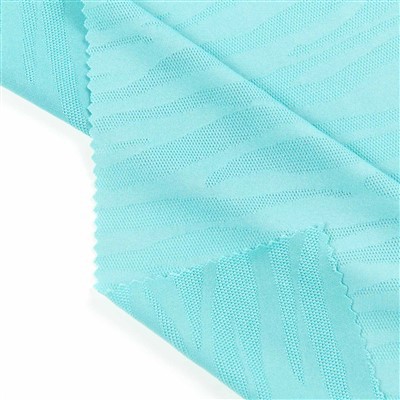
Hey there! As a supplier of wrinkled cloth, I've seen firsthand how different fabric blends can dramatically affect the appearance and behavior of our beloved wrinkled textiles. In this blog, I'm going to dive deep into the world of fabric blends and explore their impact on wrinkled cloth.
Let's start by understanding what fabric blends actually are. A fabric blend is a combination of two or more different fibers, each with its own set of properties. These blends are created to take advantage of the best characteristics of each fiber and create a fabric that has unique performance and aesthetic qualities. When it comes to wrinkled cloth, the choice of fabric blend can make all the difference.
One of the most common blends in the textile industry is a blend of cotton and polyester. Cotton is a natural fiber that is known for its breathability, softness, and absorbency. Polyester, on the other hand, is a synthetic fiber that is strong, durable, and resistant to wrinkles. When these two fibers are blended together, you get a fabric that combines the comfort of cotton with the wrinkle resistance of polyester.
For example, a cotton-polyester blend might be a great choice for wrinkled clothing items. The cotton provides a soft and comfortable feel against the skin, while the polyester helps to keep the fabric looking smooth and wrinkle-free for longer periods. This is especially useful for people who are on the go and don't have time to constantly iron their clothes.
But it's not just about wrinkle resistance. The fabric blend can also affect how the wrinkles look and feel. A blend with a higher percentage of cotton might create more natural-looking wrinkles that have a softer, more organic feel. On the other hand, a blend with a higher percentage of polyester might result in more defined, structured wrinkles that hold their shape better.


Another popular blend is a blend of wool and polyester. Wool is a natural fiber that is warm, soft, and has excellent insulating properties. Polyester, as mentioned before, adds strength and wrinkle resistance. A wool-polyester blend can be a great option for wrinkled winter fabrics. The wool keeps you warm, while the polyester helps to prevent the fabric from wrinkling too easily, even with regular wear and movement.
Now, let's talk about some specific fabrics that I offer as a wrinkled cloth supplier. One of my favorites is the 100% Polyester Wave Mesh Fabric. This fabric is made entirely of polyester, which means it has excellent wrinkle resistance. The wave mesh design gives it a unique and interesting texture, and the fact that it's 100% polyester means it's also very durable. It's a great choice for creating wrinkled garments that need to maintain their shape and look good even after multiple washes.
Another great option is the Double Chenille Polyester Fabric. This fabric has a soft and plush feel, thanks to the chenille texture. The polyester content ensures that it doesn't wrinkle easily, and the double-sided nature of the fabric gives you more options for design. You can use either side of the fabric to create different looks and effects, and the wrinkles will still look great.
And then there's the 100% Polyester Herringbone Fabric. The herringbone pattern adds a touch of sophistication to the fabric, and the 100% polyester construction means it's highly resistant to wrinkles. This fabric is perfect for creating wrinkled jackets, pants, or other outerwear items that need to look sharp and professional.
But it's not just about the type of fibers in the blend. The ratio of the fibers also plays a crucial role. For example, a blend that is 60% cotton and 40% polyester will have different properties compared to a blend that is 80% cotton and 20% polyester. The higher the percentage of the fiber with the desired property, the more pronounced that property will be in the fabric.
In addition to wrinkle resistance, fabric blends can also affect other aspects of wrinkled cloth. For example, they can impact the fabric's colorfastness, which is how well the fabric retains its color over time and after washing. Some fibers are more prone to fading than others, so a well-chosen blend can help to ensure that the wrinkles in your cloth not only look good but also maintain their color for a long time.
The fabric blend can also affect the fabric's drape, which is how the fabric hangs and flows. A blend with a good drape will create more elegant and fluid wrinkles, while a blend with a stiffer drape might result in more angular and structured wrinkles. This is an important consideration when designing wrinkled clothing or other textile products, as the drape can greatly impact the overall look and feel of the finished item.
So, as you can see, the effect of fabric blend on wrinkled cloth is quite complex and multi-faceted. It's not just about making the cloth wrinkle-resistant or not. It's about finding the right combination of fibers to create a fabric that has the perfect balance of properties for your specific needs.
If you're in the market for wrinkled cloth, whether you're a fashion designer, a manufacturer, or just someone who loves unique textiles, I'd love to talk to you. I have a wide range of fabric blends available, and I can help you find the perfect one for your project. Just reach out, and we can start discussing your requirements and see how I can assist you.
In conclusion, fabric blends are a powerful tool in the world of wrinkled cloth. They allow us to create fabrics that have the best of both worlds, combining the desirable properties of different fibers to achieve the perfect look and performance. Whether you're looking for a fabric that is wrinkle-resistant, has a great drape, or retains its color well, there's a fabric blend out there for you. So don't be afraid to experiment and find the blend that works best for you.
References
- Textile Science textbooks
- Industry research papers on fabric performance