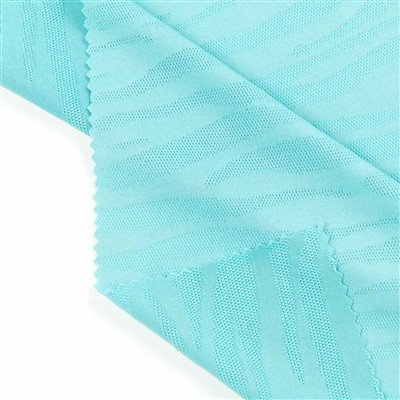
When it comes to textiles, double - sided fabric is a remarkable innovation that offers a wide range of benefits, from increased versatility to enhanced durability. As a supplier of high - quality double - sided fabrics, one question I'm frequently asked is: "Can double - sided fabric be washed easily?" In this blog, I'll explore this topic in depth, sharing insights based on scientific knowledge and practical experience.
Understanding Double - Sided Fabric
Double - sided fabric, as the name suggests, has two usable sides. It can be crafted from various materials, including cotton, polyester, and blends, each with its own unique properties. For instance, Polyester Double - sided Fabric is known for its durability, wrinkle - resistance, and quick - drying capabilities. On the other hand, Graphene Pique Fabric combines the benefits of graphene technology with the structure of pique fabric, offering features like thermal regulation and antibacterial properties. And Double Chenille Polyester Fabric provides a soft, plush texture on both sides.
Factors Affecting Washability
Material Composition
The material composition of double - sided fabric is a primary factor influencing its washability. Natural fibers such as cotton are generally breathable and absorbent but may shrink if not washed properly. Polyester, a synthetic fiber, is more resistant to shrinking, stretching, and wrinkling. Fabrics with a blend of natural and synthetic fibers can offer the best of both worlds, with the comfort of natural fibers and the durability of synthetics.
Construction
The way the double - sided fabric is constructed also matters. Some double - sided fabrics are knitted, which can be more flexible and less prone to fraying compared to woven fabrics. However, knitted fabrics may stretch out of shape if washed in a high - agitation cycle. Woven double - sided fabrics, while more stable in shape, may require special care to prevent the edges from unraveling.
Finishes and Treatments
Many double - sided fabrics undergo finishes and treatments to enhance their performance. For example, some fabrics may be treated with water - repellent or stain - resistant coatings. These treatments can affect the fabric's washability. Harsh detergents or high - temperature washes may damage these coatings, reducing their effectiveness.


Washing Guidelines for Double - Sided Fabric
Read the Care Label
The first and most important step in washing double - sided fabric is to read the care label. This label provides specific instructions from the manufacturer regarding the appropriate water temperature, detergent type, and washing cycle. Following these instructions can help maintain the fabric's quality and appearance over time.
Choose the Right Detergent
Select a mild detergent that is suitable for the fabric type. For natural fibers, a gentle, plant - based detergent is often a good choice as it is less likely to cause irritation or damage. For synthetic fabrics, a detergent formulated for synthetics can help preserve the fabric's performance properties. Avoid using bleach or fabric softeners unless the care label specifically recommends it, as these can damage the fabric or the finishes.
Water Temperature
The water temperature for washing double - sided fabric depends on the material. For most natural fibers, a warm water wash (around 30 - 40°C) is sufficient. This temperature helps to remove dirt and stains without causing excessive shrinkage. Synthetic fabrics can usually tolerate a wider range of temperatures, but cold water is often recommended to prevent any potential damage to the fabric or its treatments.
Washing Cycle
Use a gentle or delicate cycle when washing double - sided fabric to minimize agitation. High - agitation cycles can cause the fabric to stretch, pill, or lose its shape. If possible, turn the fabric inside out before washing to protect the outer surface from friction and abrasion.
Drying
Air - drying is the best option for double - sided fabric as it reduces the risk of shrinkage and damage. Hang the fabric on a clothesline or lay it flat on a drying rack. If you need to use a dryer, choose a low - heat setting and remove the fabric while it is still slightly damp to prevent over - drying.
Common Washing Problems and Solutions
Shrinkage
Shrinkage is a common problem, especially with natural fibers. To prevent shrinkage, follow the care label instructions regarding water temperature and drying methods. If shrinkage does occur, you may be able to stretch the fabric back to its original size while it is still damp.
Pilling
Pilling is the formation of small balls of fiber on the fabric surface. This can be caused by friction during washing or wearing. To reduce pilling, use a mild detergent, a gentle washing cycle, and turn the fabric inside out before washing. You can also use a fabric shaver to remove any pills that have formed.
Color Fading
Color fading can occur if the fabric is washed in hot water, exposed to sunlight for extended periods, or washed with harsh detergents. To prevent color fading, wash the fabric in cold water, use a color - safe detergent, and avoid direct sunlight when drying.
Conclusion
In conclusion, double - sided fabric can be washed easily if you follow the proper guidelines. By understanding the factors that affect washability, choosing the right detergent and water temperature, and using a gentle washing and drying method, you can maintain the quality and appearance of your double - sided fabric for years to come.
If you're interested in purchasing high - quality double - sided fabric for your projects, whether it's for fashion, home decor, or other applications, I invite you to reach out. We offer a wide range of double - sided fabrics, including Polyester Double - sided Fabric, Graphene Pique Fabric, and Double Chenille Polyester Fabric. Contact me to start a procurement discussion and find the perfect fabric for your needs.
References
- Textile Institute. Handbook of Textile Fibres. Woodhead Publishing, 2015.
- ASTM International. Standard Test Methods for Textiles. ASTM International, updated regularly.