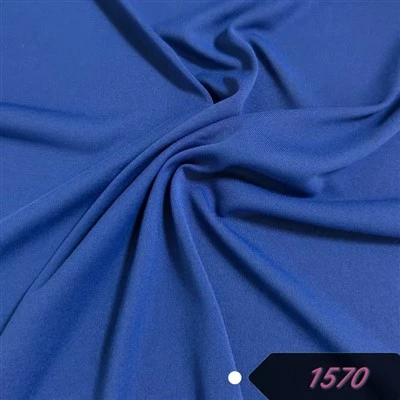
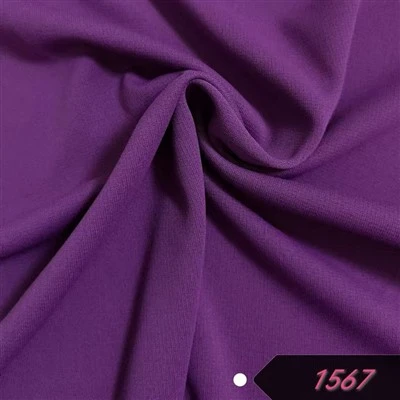
French Terry Knit Fabric for Hoodies, Sweatshirts and Athleisure
French Terry fabric is a weft-knitted textile with a relatively smooth face and looped backing. The front surface provides a suitable base for garment dyeing, printing and embroidery, while the unbrushed reverse retains visible yarn loops. Compared with brushed fleece, standard French Terry preserves this loop structure rather than raising the fibers into a fuzzy surface.
Fabric performance depends on fiber composition, yarn characteristics, knitting structure, weight and finishing. Cotton options offer natural moisture absorption, while cotton-polyester blends combine different fiber properties. Elastane-containing constructions provide stretch when the knit structure and finishing are designed accordingly.
French Terry is widely used for hoodies, sweatshirts, joggers, casual separates and coordinated loungewear. Apparel brands, garment manufacturers, fabric importers and wholesalers can select specifications according to garment weight, surface appearance, stretch requirements and intended retail positioning.
-
![Brushed French Terry Fabric]() Brushed French Terry FabricBrushed French Terry Fabric is a weft-knitted textile with a smooth face and a looped reverse that is mechanically brushed to create a soft, fleece-like surface. Compared with unbrushed French terry, the raised back provides a softer handread more
-
![Polyester French Terry Fabric]() Polyester French Terry FabricPolyester French Terry Fabric is a knitted textile featuring a smooth face and looped yarns on the reverse side. Made from polyester yarns, it is used for hoodies, sweatshirts, joggers, loungewear, and casual sportswear. The loop-backread more
-
![Cotton French Terry Fabric]() Cotton French Terry FabricCotton French Terry Fabric is a weft-knitted fabric featuring a smooth face and looped reverse. Commonly used for sweatshirts, hoodies, joggers, and loungewear, it combines the familiar feel of cotton with a loop-back construction suitableread more
-
![Striped French Terry Fabric]() Striped French Terry FabricStriped French Terry Fabric is a knitted textile featuring a smooth face and looped yarns on the reverse side, with stripes formed by knitting different colored yarns into the fabric structure. It is used for sweatshirts, hoodies, joggers,read more
-
![Printed French Terry Fabric]() Printed French Terry FabricPrinted French Terry Fabric is a weft-knitted fabric with a smooth outer face and unbrushed looped backing. The outer surface provides a base for printed patterns, while the looped reverse creates a textured interior commonly used inread more
-
![Cotton Spandex French Terry Fabric]() Cotton Spandex French Terry FabricCotton Spandex French Terry Fabric is a weft-knitted textile featuring a smooth jersey face and looped yarns on the reverse side. Its cotton-rich composition provides a soft hand feel and moisture absorption, while spandex adds stretch toread more


Product Types and Configurations
Cotton French Terry: Made from cotton yarns, this option is suitable for sweatshirts, hoodies, casual trousers and loungewear. Yarn selection and finishing influence softness, surface appearance and fabric strength.
Cotton-Polyester French Terry: Common blend configurations include 80/20 and 60/40 cotton-polyester. The actual proportions affect hand feel, moisture absorption, drying behavior and fabric handling. Buyers should confirm the fiber ratio before sampling.
Stretch French Terry: Cotton-spandex and polyester-spandex constructions incorporate elastane. Elastane content in the original product range is 3%–8%. The required stretch and recovery should be evaluated using the finished fabric rather than inferred from fiber content alone.
Loop-Back French Terry: The reverse retains its knitted loops, creating a defined texture suitable for transitional-season tops, joggers and everyday sportswear.
Brushed French Terry: Mechanical brushing raises fibers on the reverse to create a softer, fleece-like surface. Buyers should evaluate the resulting thickness, surface appearance and shedding characteristics against the intended garment requirements.
Functional Finishes: Available finish requirements may include moisture management, anti-static treatment, antimicrobial treatment and durable water repellency. Each treatment requires confirmation of availability, performance requirements and any applicable test method.
Distinctive Two-Sided Structure: The smooth face and looped reverse provide different surface characteristics within one knitted fabric, supporting a range of casual and sportswear designs.
Flexible Weight Selection: The 220–450 GSM range covers lightweight sweatshirts through heavier, more structured hoodies and joggers.
Multiple Fiber Options: Cotton, cotton-polyester and elastane-containing constructions allow buyers to balance hand feel, stretch, moisture absorption and garment structure.
Printing and Embroidery Compatibility: The relatively smooth face can support screen printing, direct-to-garment printing and embroidery. Actual results depend on fabric density, surface condition, pretreatment and decoration settings.
Loop-Back or Brushed Finishing: Buyers can choose between a defined loop texture and a raised, softer reverse according to seasonal use and garment design.
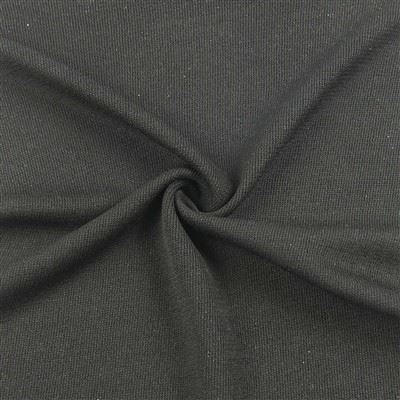
Technical Specifications and Customization Options
|
Parameter |
Specification / Customization Options |
|
Fabric Construction |
Weft-knitted French Terry |
|
Fiber Composition |
100% cotton; cotton-polyester; cotton-spandex; polyester-spandex |
|
Cotton-Polyester Ratios |
80/20 and 60/40 |
|
Elastane Content |
3%–8% for applicable stretch constructions |
|
Fabric Weight |
220–450 GSM |
|
Usable Width |
148–165 cm; open-width or tubular construction |
|
Back Structure |
Unbrushed loop-back or brushed reverse |
|
Color |
Custom-dyed colors; Pantone reference or physical swatch |
|
Functional Finishes |
Moisture management, anti-static, antimicrobial or DWR options, subject to confirmed availability |
|
Surface Decoration |
Fabric selection for screen printing, DTG printing or embroidery trials |
|
Dimensional Stability |
Evaluate shrinkage and spirality using ISO 5077 and the applicable washing procedure |
|
Colorfastness to Washing |
Evaluate using ISO 105-C06 or AATCC 61 |
|
Colorfastness to Rubbing |
Evaluate using ISO 105-X12 or AATCC 8 |
|
Pilling Resistance |
Evaluate using ISO 12945-2 |
|
Fabric Weight Testing |
ISO 3801 or ASTM D3776 |
|
Fabric Width Measurement |
ISO 22198 |
Hoodies and Sweatshirts:
French Terry is suitable for pullover hoodies, zip-front hoodies, crewneck sweatshirts and quarter-zip tops. Fabric weight and reverse construction influence garment drape, thickness and seasonal positioning.
Joggers and Casual Bottoms:
Loop-back and stretch constructions can be evaluated for cuffed joggers, straight-leg sweatpants, casual shorts and warm-up trousers. Buyers should assess stretch recovery and dimensional stability where a consistent fit is required.
Loungewear and Everyday Apparel:
Cotton-rich options can be considered for coordinated sets, relaxed cardigans and casual separates. Surface feel, fabric weight and washing performance should be checked against the intended product positioning.
Children's Apparel:
French Terry can be used for children's sweatshirts, rompers and playwear. Buyers should specify applicable chemical restrictions and obtain relevant test documentation rather than assume compliance from fiber composition alone.
Private-Label Collections:
Importers and apparel brands can define fabric weight, composition, color, backing structure and finishing requirements to align material specifications with their garment development plans.
Key Selection Factors
Match GSM to Garment Design:
The 220–280 GSM range can be evaluated for lighter tops, 300–360 GSM for midweight hoodies and joggers, and 380–450 GSM for heavier silhouettes. These are selection guidelines, not guarantees of drape or warmth; construction and fiber composition also matter.
Choose the Reverse Structure:
Loop-back offers a defined interior texture, while brushing creates a raised surface. Request samples of the intended finish to compare appearance, hand feel and fabric thickness.
Confirm Stretch Requirements:
For fitted garments, assess stretch in both directions where required, along with recovery after repeated extension. Do not use elastane percentage as the sole measure of finished-fabric elasticity.
Test Washing Performance:
Request shrinkage and spirality results using agreed washing conditions before setting garment patterns and cutting markers. Confirm whether the results apply to the finished, dyed fabric.
Approve Color Consistency:
Specify the color reference, lighting conditions and acceptable batch variation. Approve lab dips or physical swatches before bulk dyeing and agree on a measurable color-difference tolerance where needed.
Check Decoration Compatibility:
Test the intended printing or embroidery process on the selected fabric. Fabric surface, weight, stretch and pretreatment can affect the finished decoration.
FAQ

Request a Quote
For a quotation or fabric sample, please provide:
Target fiber composition and blend ratio
Required GSM and usable width
Loop-back or brushed construction
Pantone reference or physical color swatch
Functional finish and decoration requirements
Estimated order quantity in kilograms or meters
Required testing standards and compliance documents
Target garment type and intended market
These details help establish a clear specification for sampling, evaluation and bulk-order planning.
We're professional french terry fabric manufacturers and suppliers in China, specialized in providing high quality customized service. If you're going to wholesale french terry fabric made in China, welcome to get free sample from our factory. For price consultation, contact us.
high stretch spandex fabric, lycra fabric material, Polyester Lycra Apparel Fabric-
![100% Cotton Fleece Fabric]() 100% Cotton Fleece FabricWhen it comes to comfortable and high-quality fabrics, 100% Cotton Fleece Fabric stands out as a popular choice forread more
-
![Polyamide Elastane Tricot Fabric]() Polyamide Elastane Tricot FabricPolyamide Elastane Tricot Fabric is a warp-knitted stretch textile made from polyamide (nylon) and elastane yarns. Itread more
-
![Nylon Polyester Spandex Stretch Fabric]() Nylon Polyester Spandex Stretch FabricNylon Polyester Spandex Stretch Fabric is a knitted textile combining nylon, polyester, and spandex (elastane) forread more
-
![Viscose Spandex Stretch Knit Fabric]() Viscose Spandex Stretch Knit FabricViscose spandex stretch knit fabric is engineered for garment applications requiring fluid drape, skin-friendlyread more
-
![Cotton Modal Stretch Knit Fabric]() Cotton Modal Stretch Knit FabricThis Cotton Modal Stretch Knit Fabric is engineered by blending combed cotton, high-wet-modulus modal, and elastaneread more
-
![Nylon 4-Way Stretch Composite Brushed Fabric]() Nylon 4-Way Stretch Composite Brushed FabricNylon 4-Way Stretch Composite Brushed Fabric is a stretch textile designed for apparel applications requiringread more