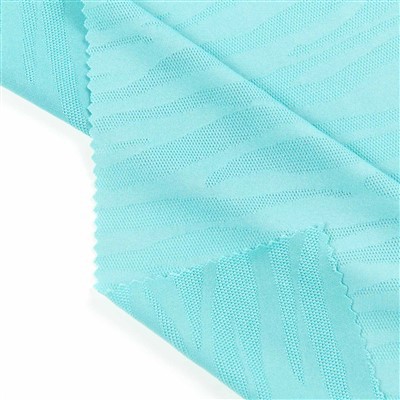
Hey there! As a velvet supplier, I often get asked about the weight of typical velvet fabric. It's a crucial factor that can influence the fabric's use, feel, and durability. So, let's dive right into it and explore what you need to know about velvet fabric weights.
First off, velvet is a luxurious and soft fabric with a short, dense pile. It's been around for ages and is used in all sorts of things, from fancy clothing to home decor. But the weight of velvet can vary quite a bit depending on its type, the materials used, and the manufacturing process.
One of the main types of velvet is cotton velvet. Cotton velvet is known for its natural feel and breathability. The weight of cotton velvet usually ranges from about 200 to 400 grams per square meter (gsm). A lighter cotton velvet, around 200 - 250 gsm, is more suitable for things like summer dresses or lightweight scarves. It's soft and drapes nicely, giving a flowy look. On the other hand, a heavier cotton velvet, in the 350 - 400 gsm range, is great for winter coats, upholstery, or even formal evening wear. It's more substantial and provides better insulation.
Then there's silk velvet. Silk velvet is the epitome of luxury. It has a smooth, shiny surface and a very soft touch. The weight of silk velvet typically falls between 180 and 300 gsm. The lighter silk velvets, around 180 - 220 gsm, are often used for lingerie, blouses, or delicate scarves. They're so soft and lightweight that they feel like a gentle caress on the skin. Heavier silk velvets, around 250 - 300 gsm, can be used for high - end evening gowns, curtains, or decorative pillows. The weight gives them a more regal and elegant appearance.
Synthetic velvet, such as polyester velvet, is also quite popular. Polyester velvet is more affordable and often more durable than natural - fiber velvets. The weight of polyester velvet can vary widely, from 150 to 500 gsm. Lighter polyester velvets, around 150 - 200 gsm, are commonly used for dance costumes, stage props, or lightweight linings. They're easy to work with and have a good amount of stretch. Heavier polyester velvets, in the 400 - 500 gsm range, are suitable for upholstery, car interiors, or heavy - duty bags. They can withstand a lot of wear and tear.
Now, let's talk about how the weight of velvet affects its performance. A lighter velvet fabric is generally more flexible and easier to drape. It's perfect for creating flowing shapes in clothing or for projects where you need a lot of movement. However, it may not be as durable as a heavier fabric. Lighter velvets can be more prone to snagging and may not hold up as well over time.


A heavier velvet, on the other hand, is more robust and durable. It can stand up to frequent use and is less likely to get damaged. Heavier velvets also tend to have a more luxurious look and feel. They can add a touch of elegance to any project, whether it's a piece of furniture or a formal outfit. But they can be a bit stiffer and less flexible than lighter velvets, so they may not be the best choice for projects that require a lot of movement.
When it comes to choosing the right weight of velvet for your project, you need to consider what you're going to use it for. If you're making a summer dress, a lighter velvet would be a better option. It'll keep you cool and allow the dress to move gracefully. But if you're upholstering a sofa, a heavier velvet would be more suitable. It'll stand up to the wear and tear of daily use.
As a velvet supplier, I offer a wide range of velvet fabrics in different weights. For example, we have the Diamond Single Cloth, which comes in various weights to suit different needs. It's a high - quality knitted fabric that has a beautiful texture. Our Polyester Rowan is another great option. It's a durable polyester velvet that's available in both light and heavy weights. And if you're looking for something a bit more unique, our XYY - 1570 Imitation Brocade Single - sided Fabric offers a beautiful brocade look in different weight options.
If you're in the market for velvet fabric, whether it's for a small DIY project or a large - scale production, I'd love to help you find the perfect weight and type of velvet for your needs. Just reach out, and we can have a chat about your requirements. We can discuss the different weights, colors, and finishes available to make sure you get exactly what you're looking for.
In conclusion, the weight of typical velvet fabric can vary depending on the type of velvet and its intended use. Whether you need a lightweight, delicate velvet or a heavy - duty, durable one, there's a perfect option out there for you. As a velvet supplier, I'm here to make sure you get the best quality fabric at a great price. So, don't hesitate to contact me if you have any questions or if you're ready to start your velvet project.
References
- Fabric Manufacturing Handbook: Covers general information on fabric weights and production.
- Textile Science Journal: Articles on the properties and uses of different velvet fabrics.