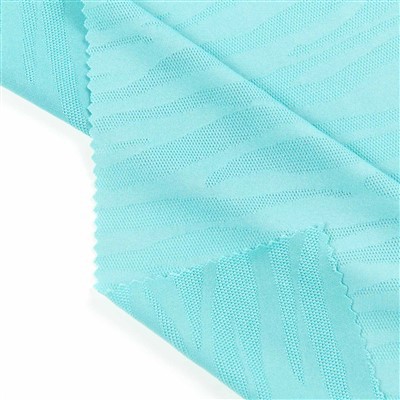
Hey there! As a corduroy supplier, I've spent a ton of time getting up close and personal with this amazing fabric. One of the most common questions I get is, "How does corduroy feel to the touch?" Well, let's dive right in and explore this tactile wonder.
First off, when you run your hand over corduroy, the very first thing you'll notice is its unique texture. Corduroy is made up of these little parallel ridges, or wales, that run along the length of the fabric. These wales give corduroy its distinct look and feel. The wales can vary in width, with narrower wales giving a more refined and smooth feel, while wider wales offer a more pronounced and chunky texture.
If you've got a piece of fine - wale corduroy, say 16 - wale or 21 - wale, it's almost like running your fingers over a soft, velvety surface. The ridges are so close together that they create a kind of plushness. It's incredibly smooth to the touch, and there's a certain luxuriousness to it. You can imagine how nice it would feel to wear a shirt or a pair of pants made from this type of corduroy. It's gentle on the skin, and you won't get any rough or scratchy sensations.
On the other hand, wider - wale corduroy, like 6 - wale or 8 - wale, has a much more rugged feel. The ridges are more prominent, and you can really feel the individual cords under your fingertips. It's got a bit of a heft to it, which makes it perfect for more hard - wearing items like jackets or work pants. When you touch it, you can sense its durability. It's not as soft as the fine - wale corduroy, but there's a charm in its sturdiness.
Another aspect of how corduroy feels is its warmth. Corduroy has a natural insulating quality. The ridges trap air between them, creating a layer of warmth. When you touch corduroy, especially in the colder months, you can feel that cozy, toasty sensation. It's like having a little blanket wrapped around you. This is one of the reasons why corduroy is so popular for winter clothing.
The softness of corduroy also depends on the material it's made from. Most corduroy is made from cotton, which is known for its softness and breathability. Cotton corduroy feels great against the skin. It's absorbent, so it can wick away moisture, keeping you dry and comfortable. There are also synthetic blends of corduroy available. These blends can sometimes be a bit stiffer, but they often come with added benefits like increased durability and resistance to wrinkles.
Now, let's talk about the surface finish of corduroy. Some corduroy has a brushed finish, which makes it even softer to the touch. The brushing process raises the fibers on the surface of the fabric, creating a fluffier and more velvety texture. It's like stroking a cloud. Other corduroy may have a more smooth and polished finish, which gives it a sleek and sophisticated look and feel.
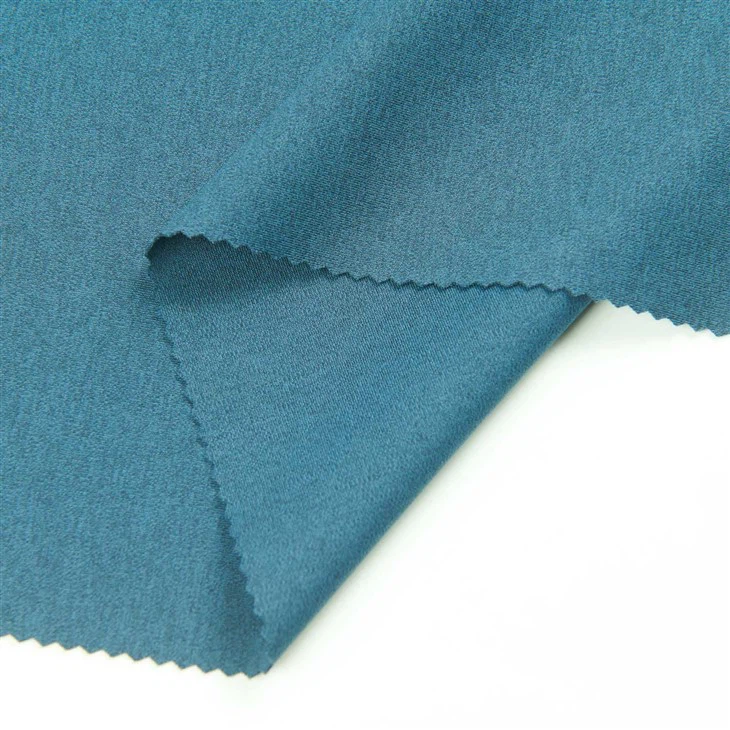

As a corduroy supplier, I'm also well - aware of other great fabrics in the market. For instance, if you're looking for something with a different texture, you might want to check out Fruit Mesh. It's got a unique open - weave structure that gives it a light and airy feel. Then there's Recycled Double - sided Fabric, which is not only eco - friendly but also has a versatile texture on both sides. And if you're into a more casual and comfortable fabric, French Terry is a great option. It's soft, absorbent, and perfect for loungewear.
So, whether you're a fashion designer looking for the perfect fabric for your next collection or a consumer in search of a new pair of pants or a jacket, corduroy has a lot to offer. Its tactile qualities make it stand out in the world of fabrics. The way it feels to the touch can range from ultra - soft and velvety to rugged and durable, depending on your needs.
If you're interested in exploring our range of corduroy fabrics or any of the other fabrics I mentioned, I'd love to have a chat with you. We can discuss your specific requirements, whether it's the wale width, the material blend, or the finish. Let's work together to find the perfect fabric for your project. Don't hesitate to reach out if you've got any questions or if you're ready to start a procurement process.
References
- "The Complete Guide to Textiles" by Sandra Rotman
- Textile research papers from various industry journals