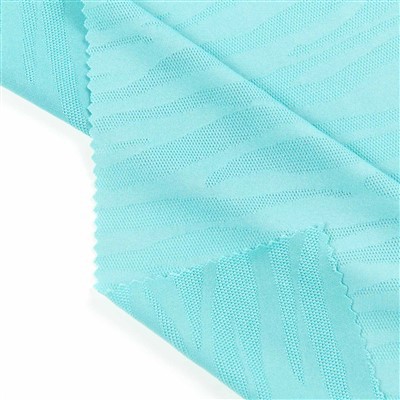
Hey there! As a single fabric supplier, I've been getting quite a few questions about the stiffness of single fabrics lately. So, I thought I'd take a moment to break it down and share what I've learned over the years.
First things first, what exactly is stiffness when it comes to single fabric? Well, stiffness refers to the fabric's resistance to bending or deformation. In simpler terms, it's how "stiff" or "floppy" the fabric feels in your hand. This property is crucial because it can significantly impact how the fabric behaves in various applications, whether it's for making clothing, upholstery, or even industrial products.
There are several factors that can influence the stiffness of single fabric. One of the most important factors is the fiber type. Different fibers have different inherent properties that affect the fabric's stiffness. For example, natural fibers like cotton and linen tend to be more flexible and drape well, while synthetic fibers like polyester and nylon can be stiffer and more resilient.
Let's take a closer look at some of the fibers commonly used in single fabrics and how they impact stiffness:
Cotton
Cotton is a widely used natural fiber known for its softness, breathability, and comfort. It has a relatively low stiffness, which makes it ideal for applications where you want a fabric that drapes nicely and feels gentle against the skin. Cotton single jersey, for instance, is a popular choice for t-shirts and other casual wear because of its soft and flexible nature.
Polyester
Polyester is a synthetic fiber that is known for its durability, wrinkle resistance, and quick-drying properties. It generally has a higher stiffness compared to cotton, which gives it a more structured appearance. Polyester single fabrics are often used in sportswear, outdoor clothing, and industrial applications where strength and resilience are important. Check out our Celis 100% Polyester Single Jersey Fabric for an example of a high-quality polyester single fabric.
Nylon
Nylon is another synthetic fiber that is popular for its strength, abrasion resistance, and elasticity. It is often used in applications where a high level of stiffness and durability is required, such as in outerwear, luggage, and automotive upholstery. Nylon single fabrics can be quite stiff, but they can also be engineered to have different levels of flexibility depending on the specific requirements of the application.
Blends
Many single fabrics are made from blends of different fibers to combine the best properties of each. For example, a cotton-polyester blend can offer the softness of cotton with the durability and wrinkle resistance of polyester. The stiffness of a blended fabric will depend on the ratio of the different fibers used. A fabric with a higher percentage of polyester will generally be stiffer than one with a higher percentage of cotton.
In addition to fiber type, the fabric construction also plays a significant role in determining its stiffness. The way the fibers are woven or knitted together can affect how the fabric behaves and feels. For example, a tightly woven fabric will generally be stiffer than a loosely woven one. Similarly, a knitted fabric with a more structured stitch pattern will be stiffer than one with a more open or stretchy stitch.
Woven Fabrics
Woven fabrics are made by interlacing two sets of yarns at right angles to each other. The tightness of the weave can vary depending on the type of loom and the settings used. A tightly woven fabric, such as a twill or a satin, will have a higher stiffness compared to a loosely woven fabric, such as a plain weave. Woven single fabrics are often used in applications where a more structured and durable fabric is required, such as in shirts, pants, and upholstery.
Knitted Fabrics
Knitted fabrics are made by interlocking loops of yarn. There are two main types of knitting: weft knitting and warp knitting. Weft knitting is the most common type and is used to make fabrics like t-shirts, sweaters, and socks. Warp knitting is used to make fabrics like lingerie, swimwear, and sportswear. Knitted single fabrics can have a wide range of stiffness levels depending on the type of stitch and the tension used. For example, a rib stitch will be stiffer than a jersey stitch. Check out our 4 Way Stretch Composite Micro Fleece Fabric and Striped Mesh Pique for examples of knitted single fabrics with different stiffness levels.
The finishing treatments applied to the fabric can also affect its stiffness. Finishing treatments are used to enhance the fabric's properties, such as its appearance, durability, and performance. Some finishing treatments, such as starching or resin coating, can increase the fabric's stiffness, while others, such as softening or anti-static treatments, can decrease it.


How Stiffness Affects Fabric Applications
The stiffness of single fabric can have a significant impact on its suitability for different applications. Here are some examples of how stiffness affects fabric applications:
Clothing
In clothing, the stiffness of the fabric can affect the fit, drape, and comfort of the garment. A stiffer fabric will hold its shape better and be more suitable for structured garments, such as jackets, blazers, and trousers. A softer, more flexible fabric will drape better and be more suitable for flowing garments, such as dresses, skirts, and scarves.
Upholstery
In upholstery, the stiffness of the fabric can affect the durability, comfort, and appearance of the furniture. A stiffer fabric will be more resistant to wear and tear and will hold its shape better over time. It will also be more suitable for furniture with a more structured design. A softer, more flexible fabric will be more comfortable to sit on and will give the furniture a more relaxed and inviting look.
Industrial Applications
In industrial applications, the stiffness of the fabric can affect its performance and functionality. For example, in automotive interiors, a stiffer fabric may be used for seats and door panels to provide support and durability, while a softer fabric may be used for headliners and armrests to provide comfort. In filtration applications, a stiffer fabric may be used to provide structural support and prevent the filter from collapsing under pressure.
Measuring Fabric Stiffness
There are several methods for measuring the stiffness of single fabric. One of the most common methods is the cantilever test, which measures the fabric's ability to support its own weight when it is bent over a horizontal edge. The longer the fabric can support itself without bending, the stiffer it is. Another method is the circular bend test, which measures the fabric's resistance to bending in multiple directions.
Choosing the Right Single Fabric for Your Needs
When choosing a single fabric, it's important to consider the stiffness property along with other factors such as fiber type, fabric construction, and finishing treatments. Here are some tips to help you choose the right single fabric for your needs:
- Consider the Application: Think about how the fabric will be used and what properties are most important for the application. For example, if you're making a structured garment, you'll want a stiffer fabric, while if you're making a flowing garment, you'll want a softer, more flexible fabric.
- Test the Fabric: If possible, get a sample of the fabric and test its stiffness by bending it, draping it, and feeling it in your hand. This will give you a better idea of how the fabric will perform in your application.
- Consult with a Supplier: As a single fabric supplier, I'm happy to help you choose the right fabric for your needs. I can provide you with samples, technical information, and advice based on my experience and knowledge of different fabrics.
In conclusion, the stiffness of single fabric is an important property that can significantly impact its performance and suitability for different applications. By understanding the factors that affect fabric stiffness and how to measure it, you can make an informed decision when choosing a single fabric for your project. If you have any questions or need help finding the right single fabric for your needs, don't hesitate to reach out. I'd be happy to assist you in your procurement process and discuss how our fabrics can meet your requirements. Looking forward to a potential partnership!
References
- Textile Science and Engineering Handbook.
- Fundamentals of Textile Science.