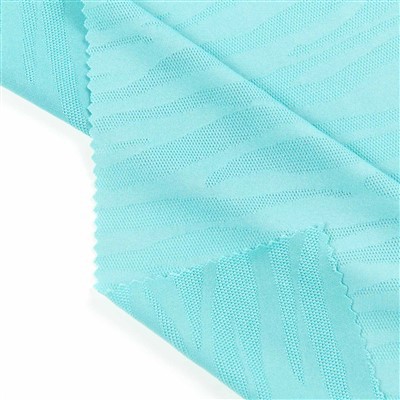
Sunlight is a fundamental part of our daily lives, providing illumination and warmth. However, excessive sunlight exposure can also bring about various issues, such as skin damage and the fading of indoor furnishings. As a Pineapple Mesh supplier, I often encounter questions from customers regarding the effectiveness of Pineapple Mesh in blocking sunlight. In this blog, I will delve into the science behind sunlight blocking and analyze whether Pineapple Mesh can live up to the task.
Understanding Sunlight and Its Effects
Sunlight is composed of different types of electromagnetic radiation, including ultraviolet (UV), visible light, and infrared (IR) rays. UV rays are further divided into UVA, UVB, and UVC. UVC rays are mostly absorbed by the Earth's atmosphere, but UVA and UVB rays can reach the surface and cause significant harm. UVA rays can penetrate deep into the skin, leading to premature aging, wrinkles, and even skin cancer. UVB rays are responsible for sunburns and also contribute to skin cancer development.
Visible light, as the name suggests, is what we can see. Although it does not have the same harmful effects as UV rays on the skin, overexposure to intense visible light can cause eye strain and discomfort. Infrared rays are associated with heat. When sunlight shines through windows, IR rays can enter a building, causing it to heat up and increasing the demand for air - conditioning.
How Fabrics Block Sunlight
Fabrics can block sunlight through several mechanisms. One of the primary ways is absorption. Some fabrics are designed to absorb certain wavelengths of light, preventing them from passing through. For example, fabrics with special dyes or additives can absorb UV rays, reducing their transmission.
Another mechanism is reflection. The surface properties of a fabric can cause light to bounce off rather than pass through. A smooth and shiny fabric surface may reflect more light, while a rough surface may scatter light in different directions, reducing the direct passage of sunlight.
The density of the fabric also plays a crucial role. A tightly woven or knitted fabric with a high thread count will generally block more sunlight than a loosely woven one. The gaps between the threads in a fabric determine how much light can pass through.
Pineapple Mesh: Structure and Properties
Pineapple Mesh is a type of fabric known for its unique mesh - like structure. It typically has a series of small holes or openings that give it an airy and breathable quality. This mesh structure is what makes it popular in applications where air circulation is important, such as in sports apparel, outdoor furniture covers, and window screens.
The composition of Pineapple Mesh can vary. It can be made from different materials, including polyester, nylon, or a blend of fibers. The choice of material affects its physical properties, such as strength, durability, and sunlight - blocking ability.
Does Pineapple Mesh Block Sunlight?
The ability of Pineapple Mesh to block sunlight depends on several factors.
Mesh Size: The size of the holes in the Pineapple Mesh is a significant determinant. A mesh with smaller holes will block more sunlight compared to one with larger holes. Smaller holes reduce the amount of direct sunlight that can pass through the fabric. However, it's important to note that even with small holes, some sunlight will still penetrate, especially in the form of scattered light.
Material and Treatment: As mentioned earlier, the material of the Pineapple Mesh matters. Polyester and nylon are common materials used in Pineapple Mesh production. Polyester has some natural UV - resistant properties, but it can be further enhanced through special treatments. For example, some Pineapple Mesh fabrics are treated with UV - absorbing chemicals. These treatments can significantly increase the fabric's ability to block UV rays. Nylon, on the other hand, also has decent strength and durability, but its UV - blocking capabilities may be lower compared to treated polyester.
Color: The color of the Pineapple Mesh can influence its sunlight - blocking ability. Darker colors tend to absorb more light than lighter colors. A black Pineapple Mesh will absorb more sunlight, including UV and IR rays, compared to a white one. However, darker colors also heat up more quickly when exposed to sunlight.
Practical Applications and Performance
In real - world applications, Pineapple Mesh can provide some level of sunlight blocking. As a window screen, it can reduce the amount of direct sunlight entering a room, thus helping to keep the interior cooler. It can also block a portion of UV rays, protecting furniture and flooring from fading.
In outdoor furniture covers, Pineapple Mesh can shield the furniture from excessive sunlight, preventing damage to the fabric or material of the furniture. However, it's important to manage expectations. Pineapple Mesh is not a complete sun - blocker like a solid curtain or a window tint. It allows for some light and air to pass through, which is one of its selling points in many applications.
Comparison with Other Fabrics
When compared to other fabrics, Pineapple Mesh has its own advantages and limitations in terms of sunlight blocking.
-
Nylon color stripe crepe fabric: Nylon color stripe crepe fabric typically has a more solid surface compared to Pineapple Mesh. This means it can block more sunlight overall. However, it may not be as breathable as Pineapple Mesh. The crepe texture of the nylon fabric can give it some unique light - scattering properties, but it may also heat up more in direct sunlight.
-
Cartoon pattern printed fabric: Cartoon pattern printed fabric depends on its composition and the density of the print. If it is a thick and tightly woven fabric, it can block more sunlight than Pineapple Mesh. However, Pineapple Mesh may be a better choice in applications where air circulation is crucial.


-
Single Jacquard Fabric: Single Jacquard Fabric often has a more complex and dense weaving pattern. This can result in better sunlight - blocking capabilities compared to Pineapple Mesh. But again, the breathability of Single Jacquard Fabric may be lower.
Conclusion and Call to Action
In conclusion, Pineapple Mesh can block a certain amount of sunlight, especially in terms of reducing direct sunlight and blocking a portion of UV rays. Its effectiveness depends on factors such as mesh size, material, treatment, and color. While it may not be the most effective sunlight - blocking fabric in all scenarios, its breathability and unique aesthetic make it a popular choice for many applications.
If you are interested in exploring the potential of Pineapple Mesh for your sunlight - blocking needs, whether it's for window screens, outdoor furniture covers, or other applications, I invite you to contact me for a purchasing negotiation. I am confident that our high - quality Pineapple Mesh products can meet your requirements and provide you with the right balance of sunlight blocking and air circulation.
References
- "Sunlight and Its Effects on Human Health" - Journal of Dermatology
- "Fabric Properties and Their Impact on Sunlight Blocking" - Textile Research Journal
- "Mesh Fabrics: Structure, Function, and Applications" - Journal of Applied Textile Research