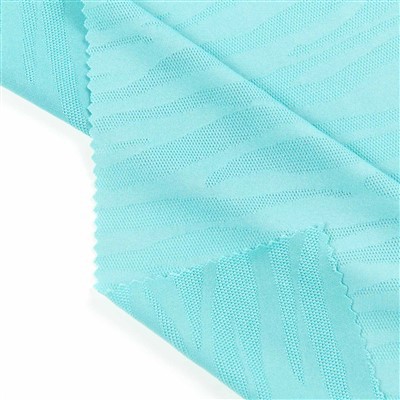
Corduroy is a versatile and distinctive fabric that has captured the hearts of fashion enthusiasts, designers, and consumers alike for centuries. As a corduroy supplier, I am excited to share with you everything you need to know about this remarkable textile, from its history and composition to its various applications and benefits.
History of Corduroy
The origins of corduroy can be traced back to ancient Egypt, where a similar fabric was used for clothing and household items. However, it wasn't until the 18th century that corduroy as we know it today began to gain popularity in Europe. The word "corduroy" is believed to be a combination of the French words "corde" (cord) and "duroy," a type of coarse woolen fabric.
Initially, corduroy was made from cotton and was primarily used for workwear due to its durability and resistance to wear and tear. Over time, it became more fashionable and was incorporated into a wider range of clothing styles, including trousers, jackets, shirts, and even dresses. Today, corduroy is a staple in many wardrobes around the world, known for its unique texture and timeless appeal.
Composition and Structure
Corduroy is a type of wale fabric, which means it has parallel ridges or cords running vertically along the surface. These cords are created by weaving extra sets of yarns, called pile yarns, into the base fabric. The number of cords per inch, known as the wale count, determines the width and texture of the fabric. A higher wale count results in thinner, more closely spaced cords, while a lower wale count produces wider, more prominent cords.
The base fabric of corduroy is typically made from cotton, although it can also be blended with other fibers such as polyester, rayon, or wool to enhance its properties. Cotton corduroy is soft, breathable, and absorbent, making it comfortable to wear in a variety of climates. Polyester blends can add durability, wrinkle resistance, and moisture-wicking properties, while wool blends can provide warmth and insulation.
Types of Corduroy
There are several different types of corduroy available, each with its own unique characteristics and uses. Some of the most common types include:
- Pinwale Corduroy: This is the finest type of corduroy, with a wale count of 18 or higher. Pinwale corduroy has very thin, closely spaced cords, giving it a smooth, refined appearance. It is often used for shirts, blouses, and jackets, as well as for upholstery and home decor.
- Midwale Corduroy: Midwale corduroy has a wale count between 11 and 16. It has a medium-width cord that is wider than pinwale but narrower than widewale. Midwale corduroy is a versatile fabric that can be used for a variety of clothing items, including trousers, skirts, and jackets.
- Widewale Corduroy: This type of corduroy has a wale count of 8 or lower, resulting in wide, prominent cords. Widewale corduroy is often used for casual wear, such as jeans, overalls, and work jackets. It has a rugged, masculine look and is known for its durability and strength.
- Velveteen Corduroy: Velveteen corduroy is a type of corduroy that has a shorter, softer pile than traditional corduroy. It has a velvety texture and a smooth, shiny appearance. Velveteen corduroy is often used for formal wear, such as dresses, suits, and evening gowns.
Applications of Corduroy
Corduroy is a versatile fabric that can be used in a wide range of applications, both in fashion and in home decor. Some of the most common uses of corduroy include:
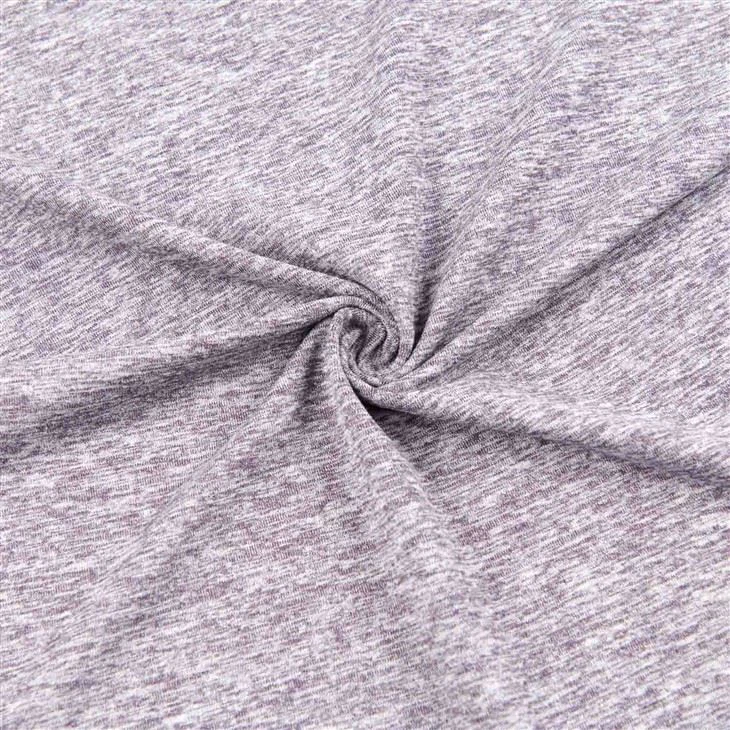

- Clothing: Corduroy is a popular choice for clothing items such as trousers, jackets, shirts, skirts, and dresses. It is available in a variety of colors and patterns, making it easy to find a style that suits your taste. Corduroy clothing is comfortable, durable, and stylish, making it a great addition to any wardrobe.
- Upholstery: Corduroy is also commonly used for upholstery, particularly for furniture such as sofas, chairs, and ottomans. Its unique texture and durability make it a popular choice for high-traffic areas, as it can withstand wear and tear. Corduroy upholstery can add a touch of warmth and sophistication to any room.
- Home Decor: Corduroy can be used in a variety of home decor applications, such as curtains, pillow covers, and table runners. Its soft texture and rich colors can add a cozy and inviting atmosphere to any space. Corduroy can also be used to create custom-made furniture covers or slipcovers, giving your old furniture a new look.
Benefits of Corduroy
There are many benefits to choosing corduroy for your clothing and home decor needs. Some of the key benefits include:
- Unique Texture: The distinctive texture of corduroy is one of its most appealing features. The parallel ridges or cords give the fabric a tactile quality that adds visual interest and depth. Corduroy's texture can also help to hide wrinkles and imperfections, making it a forgiving fabric to wear and care for.
- Durability: Corduroy is a durable fabric that can withstand regular wear and tear. The pile yarns in the fabric provide extra strength and resilience, making it less likely to tear or fray. This makes corduroy a great choice for clothing items that are worn frequently, as well as for upholstery and home decor that need to stand up to daily use.
- Comfort: Corduroy is a soft, breathable fabric that is comfortable to wear in a variety of climates. The cotton base fabric absorbs moisture and allows air to circulate, keeping you cool and dry in warm weather. In colder weather, corduroy can provide warmth and insulation, making it a great choice for winter clothing.
- Versatility: Corduroy is a versatile fabric that can be dressed up or down, depending on the occasion. It can be worn in a variety of styles, from casual to formal, and can be paired with a wide range of other fabrics and colors. Corduroy's versatility makes it a great investment piece that can be worn for years to come.
Our Corduroy Products
As a corduroy supplier, we offer a wide range of high-quality corduroy fabrics to meet the needs of our customers. Our products include pinwale, midwale, and widewale corduroy in a variety of colors and patterns. We also offer custom dyeing and printing services to create unique and personalized fabrics for your specific needs.
In addition to our traditional corduroy fabrics, we also offer a selection of innovative corduroy products, such as XYY-1570 Imitation Brocade Single-sided Fabric, Moisture Wicking Quick-drying Single-sided Fabric, and Single Fabric. These products combine the unique texture and style of corduroy with modern performance features, making them ideal for a variety of applications.
Conclusion
Corduroy is a timeless fabric that has been loved by generations for its unique texture, durability, and versatility. Whether you're looking for a comfortable pair of trousers, a stylish jacket, or a cozy pillow cover, corduroy is a great choice. As a corduroy supplier, we are committed to providing our customers with the highest quality fabrics and the best possible service. If you're interested in learning more about our corduroy products or would like to place an order, please don't hesitate to contact us. We look forward to working with you!
References
- "Corduroy: A History and Guide to the Fabric." The Spruce Crafts, 2021.
- "Corduroy Fabric: Types, Uses, and Care." Textile Learner, 2021.
- "The Versatility of Corduroy: From Fashion to Home Decor." HGTV, 2021.