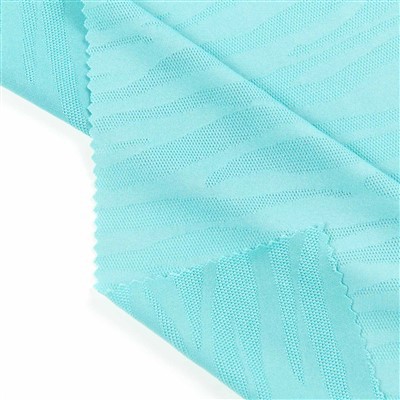
Hey there! As a terry cloth supplier, I often get asked about how terry cloth stacks up against flannel when it comes to warmth. It's a common question, especially as the temperatures start to drop. So, let's dive right in and break down the differences between these two popular fabrics in terms of keeping you cozy.
First off, let's talk about what terry cloth is. Terry cloth is a type of fabric that's known for its absorbency. It's made with loops on one or both sides, which gives it a soft, plush feel. These loops also create air pockets, which are key when it comes to insulation. The more air pockets a fabric has, the better it can trap heat and keep you warm. Terry cloth is often used for towels, bathrobes, and even some types of clothing.
On the other hand, flannel is a soft, woven fabric that's usually made from cotton or wool. It has a fuzzy surface that's created by brushing the fabric to raise the fibers. This fuzzy texture also helps to trap air and provide insulation. Flannel is commonly used for pajamas, shirts, and bedding.
So, how do they compare in terms of warmth? Well, it really depends on a few factors. One of the biggest factors is the thickness of the fabric. Generally speaking, thicker fabrics will be warmer than thinner ones. Terry cloth can come in a variety of thicknesses, from thin, lightweight towels to thick, heavy bathrobes. Flannel also comes in different weights, with heavier flannels being warmer.
Another factor to consider is the material the fabric is made from. Cotton is a popular choice for both terry cloth and flannel, as it's soft, breathable, and comfortable. However, wool is a much warmer material than cotton, so if you're looking for maximum warmth, you might want to consider a wool flannel.
Let's take a closer look at the insulation properties of each fabric. As I mentioned earlier, terry cloth's loops create air pockets that trap heat. This makes it a great choice for keeping you warm when you're wet, like after a shower or a swim. The air pockets also help to wick away moisture, which can keep you dry and comfortable.
Flannel's fuzzy surface also traps air, but it's not as effective at wicking away moisture as terry cloth. This means that if you're wearing flannel and you get wet, you might feel cold and uncomfortable. However, flannel is a great choice for keeping you warm when you're dry, like when you're lounging around the house or sleeping.
In terms of versatility, terry cloth has the edge. It can be used for a variety of purposes, from drying off after a shower to keeping you warm on a cold day. You can also find terry cloth in a wide range of colors and patterns, so you can choose a style that suits your taste.

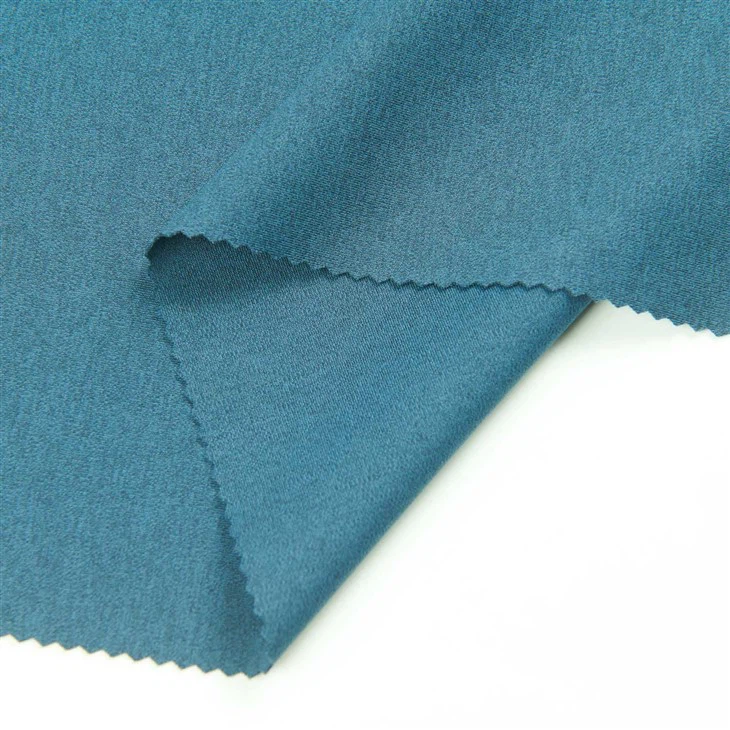
Flannel, on the other hand, is more commonly used for specific items like pajamas and shirts. While it can be warm and comfortable, it's not as versatile as terry cloth.
Now, let's talk about some of the other benefits of terry cloth. In addition to being warm and absorbent, terry cloth is also durable and easy to care for. It can withstand frequent washing and drying without losing its shape or softness. Plus, many terry cloth products are made from recycled materials, which is great for the environment.
If you're interested in exploring different types of fabrics, you might want to check out our Recycled Double-sided Fabric, Checkered Jacquard Fabric, and Wave Mesh. These fabrics offer unique features and can be used in a variety of applications.
So, which fabric is better for warmth? It really depends on your needs and preferences. If you're looking for a fabric that's warm, absorbent, and versatile, terry cloth might be the way to go. If you're looking for a fabric that's soft, fuzzy, and great for dry conditions, flannel might be a better choice.
If you're in the market for terry cloth products, I'd love to chat with you. Whether you're a retailer looking to stock up on towels and bathrobes or a manufacturer looking for high-quality terry cloth for your products, I can help. Just reach out, and we can start discussing your needs and how I can provide the perfect terry cloth solutions for you.
In conclusion, both terry cloth and flannel have their own unique properties when it comes to warmth. By understanding the differences between these two fabrics, you can make an informed decision about which one is right for you. Whether you choose terry cloth or flannel, you'll be sure to stay warm and comfortable this season.
References:
- Textile Institute. (n.d.). Handbook of textile fibers.
- Morton, W. E., & Hearle, J. W. S. (1993). Physical properties of textile fibers.