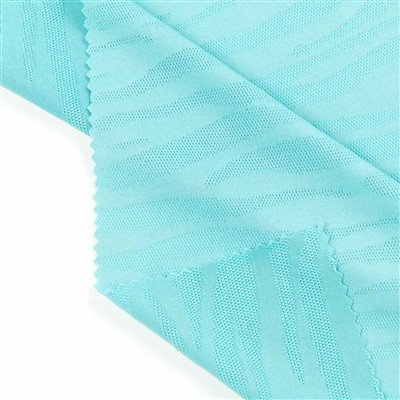
Velvet is a luxurious and highly sought-after fabric known for its softness, smooth texture, and elegant appearance. As a velvet supplier, I've witnessed firsthand the growing demand for this fabric in various industries, from fashion to home decor. However, it's crucial to understand the environmental impacts associated with velvet production. In this blog post, I'll delve into the environmental aspects of velvet manufacturing, exploring both the challenges and potential solutions.
Raw Material Sourcing
The first step in velvet production is sourcing the raw materials. Traditionally, velvet was made from silk, which is derived from the cocoons of silkworms. Silk production, while natural, has its own environmental concerns. Sericulture, the process of raising silkworms, requires large amounts of mulberry leaves, which means significant land use. Additionally, the production of silk involves boiling the silkworm cocoons to extract the silk fibers, which can be considered inhumane from an animal welfare perspective.


Today, many velvet fabrics are made from synthetic fibers such as polyester. Polyester is a petroleum-based product, and its production has a substantial environmental footprint. The extraction of petroleum is a resource-intensive process that contributes to air and water pollution. Moreover, the manufacturing of polyester fibers involves high energy consumption and the release of greenhouse gases. For example, the production of polyester emits about 6.5 times more carbon dioxide than the production of cotton.
As a velvet supplier, we also offer alternative fabrics like Polyester Spandex Quick Dry Fabric and 100% Polyester Wave Mesh Fabric. These fabrics, while having their own advantages in terms of performance and durability, also rely on synthetic materials and thus share some of the environmental challenges associated with polyester-based velvet.
Dyeing and Finishing Processes
Dyeing and finishing are crucial steps in velvet production as they determine the color, appearance, and functionality of the fabric. However, these processes are also major sources of environmental pollution. The dyeing industry is known for its high water consumption and the release of toxic chemicals into water bodies. Many dyes contain heavy metals, such as lead, mercury, and cadmium, which can have harmful effects on aquatic life and human health.
In addition to water pollution, the dyeing and finishing processes also consume a large amount of energy. The heating and drying steps require significant amounts of electricity or fossil fuels, contributing to greenhouse gas emissions. To address these issues, some manufacturers are adopting more sustainable dyeing technologies, such as low-impact dyes and water-saving dyeing methods. However, these technologies are often more expensive, which can be a barrier for some producers.
Waste Generation
Another environmental concern in velvet production is waste generation. During the manufacturing process, there is often a significant amount of fabric waste, including scraps and defective pieces. This waste not only represents a loss of resources but also contributes to landfill waste. In some cases, the waste may contain chemicals from the dyeing and finishing processes, which can pose additional environmental risks.
As a velvet supplier, we are aware of the importance of waste management. We strive to minimize waste by optimizing our production processes and recycling as much fabric waste as possible. For example, we may use fabric scraps for smaller products or donate them to local artisans for reuse. Additionally, we are exploring the possibility of using recycled materials in our velvet production to reduce our reliance on virgin resources.
End-of-Life Disposal
The end-of-life disposal of velvet products also has environmental implications. Synthetic velvet, in particular, is not biodegradable and can persist in the environment for hundreds of years. When discarded in landfills, synthetic velvet can release microplastics into the soil and water, which can have harmful effects on ecosystems.
To mitigate these issues, it's important to encourage consumers to recycle or upcycle their velvet products. Some municipalities offer textile recycling programs, which can help divert velvet and other fabrics from landfills. Additionally, consumers can explore options for repurposing velvet items, such as turning old curtains into pillows or using velvet scraps for crafts.
Potential Solutions
Despite the environmental challenges associated with velvet production, there are several potential solutions that can help reduce its environmental impact. One approach is to use more sustainable raw materials. For example, organic cotton or bamboo can be used as alternatives to synthetic fibers. These natural fibers are biodegradable and have a lower environmental footprint compared to synthetic materials.
Another solution is to improve the efficiency of the production process. By adopting energy-efficient technologies and water-saving measures, manufacturers can reduce their energy consumption and water usage. Additionally, implementing better waste management practices can help minimize waste generation and promote the recycling of materials.
As a velvet supplier, we are committed to sustainability. We are constantly exploring new ways to reduce our environmental impact, such as sourcing more sustainable raw materials, investing in eco-friendly production technologies, and promoting responsible consumption. We also work closely with our customers to educate them about the environmental issues associated with velvet production and encourage them to make more sustainable choices.
Conclusion
In conclusion, velvet production has significant environmental impacts, from raw material sourcing to end-of-life disposal. However, by taking proactive measures, such as using sustainable raw materials, improving production efficiency, and promoting waste management, we can reduce these impacts and make the velvet industry more sustainable.
As a velvet supplier, we are dedicated to providing high-quality velvet products while minimizing our environmental footprint. We believe that by working together with our customers, manufacturers, and other stakeholders, we can create a more sustainable future for the velvet industry.
If you are interested in learning more about our velvet products or discussing sustainable sourcing options, please feel free to reach out. We are always happy to engage in meaningful conversations and explore opportunities for collaboration. Let's work together to make a positive impact on the environment while enjoying the beauty and luxury of velvet.
References
- EPA. (2023). Textiles and the Environment: The Facts. United States Environmental Protection Agency.
- H&M Conscious. (2022). The True Cost of Fashion: Understanding the Environmental Impact. H&M Group.
- Textile Exchange. (2023). 2023 Preferred Fiber and Materials Market Report. Textile Exchange.