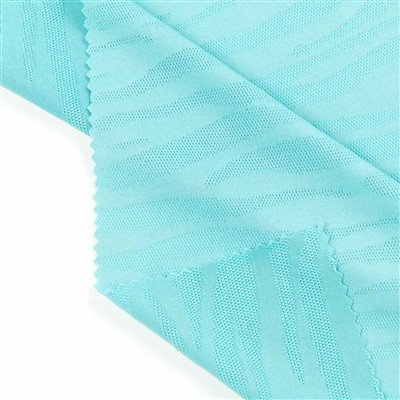
Wrinkles are a common nuisance in the world of fabrics. As a seasoned wrinkled cloth supplier, I've encountered numerous clients who wonder why some fabrics wrinkle more easily than others. In this blog post, I'll delve into the science behind fabric wrinkling, exploring the various factors that contribute to this phenomenon.
Fiber Composition
The type of fibers used in a fabric plays a crucial role in its wrinkling tendency. Natural fibers, such as cotton and linen, are known for their absorbent properties and breathability. However, they also have a relatively low elasticity, which means they are more likely to wrinkle when subjected to stress. Cotton fibers, for example, are made up of long, thin strands that can easily become distorted when bent or folded. This is why cotton shirts and dresses often require ironing to maintain a smooth appearance.
On the other hand, synthetic fibers like polyester and nylon are more resistant to wrinkling. These fibers are typically made from polymers that have a high degree of elasticity, allowing them to return to their original shape after being stretched or bent. Polyester, in particular, is known for its wrinkle-resistant properties, making it a popular choice for clothing that needs to stay looking crisp, such as business suits and uniforms.


Blended fabrics, which combine natural and synthetic fibers, can offer a balance between the comfort of natural fibers and the wrinkle resistance of synthetic fibers. For example, a cotton-polyester blend may be more resistant to wrinkling than pure cotton, while still retaining some of the breathability and softness of cotton.
Weave Structure
The way a fabric is woven also affects its wrinkling behavior. Fabrics with a tight weave, such as twill and satin, tend to be more resistant to wrinkling than those with a loose weave, such as plain weave or chiffon. This is because the tight weave holds the fibers in place, making it more difficult for them to become distorted.
Twill weaves, for example, have a diagonal pattern that gives the fabric a more structured appearance. The diagonal lines help to distribute stress evenly across the fabric, reducing the likelihood of wrinkles forming. Satin weaves, on the other hand, have a smooth, shiny surface that is less likely to catch on other objects and cause wrinkles.
In contrast, plain weave fabrics have a simple, checkerboard pattern that allows the fibers to move more freely. This makes them more prone to wrinkling, especially when they are stretched or folded. Chiffon is another example of a fabric with a loose weave that is known for its delicate, flowing appearance but also its tendency to wrinkle easily.
Finishing Treatments
Fabric finishing treatments can also have a significant impact on its wrinkling properties. Some finishing treatments, such as mercerization and resin treatment, can improve the wrinkle resistance of a fabric.
Mercerization is a process in which cotton fabric is treated with a caustic soda solution to make it stronger, more lustrous, and more resistant to shrinking and wrinkling. The treatment causes the cotton fibers to swell and become more round, which helps to hold them in place and prevent wrinkles from forming.
Resin treatment involves applying a resin to the fabric to create a cross-linked network that holds the fibers in place. This can significantly improve the wrinkle resistance of the fabric, making it easier to care for and maintain. However, resin-treated fabrics may also feel stiffer and less breathable than untreated fabrics.
Other finishing treatments, such as softening agents and anti-static treatments, can also affect the wrinkling behavior of a fabric. Softening agents can make the fabric feel more comfortable and reduce its tendency to cling, while anti-static treatments can prevent the fabric from attracting dust and other particles that can cause wrinkles.
Environmental Factors
In addition to fiber composition, weave structure, and finishing treatments, environmental factors can also play a role in how easily a fabric wrinkles. Humidity, for example, can cause some fabrics to absorb moisture and become more prone to wrinkling. Cotton and linen, in particular, are sensitive to humidity and may wrinkle more easily in damp conditions.
Temperature can also affect the wrinkling behavior of a fabric. High temperatures can cause some fabrics to shrink and become more wrinkled, while low temperatures can make them more brittle and prone to cracking. It's important to store and care for fabrics according to their specific temperature requirements to minimize wrinkling.
Examples of Fabrics with Different Wrinkling Tendencies
To illustrate the different wrinkling tendencies of various fabrics, let's take a look at some specific examples:
- XYY-1569 Imitation Nylon Spandex Single Fabric: This fabric is made from a blend of imitation nylon and spandex, which gives it a high degree of elasticity and wrinkle resistance. The spandex component allows the fabric to stretch and recover easily, while the nylon provides durability and a smooth finish. This fabric is ideal for activewear and other clothing that needs to move with the body without wrinkling.
- Brush Cloth: Brush cloth is a type of knitted fabric that has a soft, fuzzy surface. It is typically made from cotton or a cotton blend, which makes it comfortable to wear but also prone to wrinkling. The loose weave of the fabric allows the fibers to move freely, making it more likely to wrinkle when subjected to stress. However, brush cloth can be treated with a wrinkle-resistant finish to improve its durability.
- XYY-1564 Almighty: This fabric is a versatile option that combines the best of both worlds. It is made from a blend of natural and synthetic fibers, which gives it the comfort of natural fibers and the wrinkle resistance of synthetic fibers. The fabric has a tight weave that helps to hold the fibers in place, making it more resistant to wrinkling than many other fabrics.
Conclusion
In conclusion, the wrinkling tendency of a fabric is influenced by a variety of factors, including fiber composition, weave structure, finishing treatments, and environmental factors. By understanding these factors, you can choose the right fabric for your needs and take steps to minimize wrinkling.
As a wrinkled cloth supplier, I'm committed to providing high-quality fabrics that meet the needs of my customers. Whether you're looking for a wrinkle-resistant fabric for activewear or a soft, comfortable fabric for everyday wear, I have a wide range of options to choose from. If you have any questions or would like to discuss your fabric needs, please don't hesitate to contact me. I'd be happy to help you find the perfect fabric for your project.
References
- "Fiber Science and Technology" by R. S. Blackburn
- "Textile Science" by J. H. Shaw
- "The Chemistry of Textiles" by P. A. Lewis