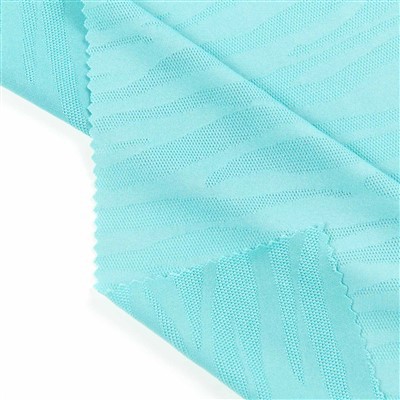
Hey there, fellow fabric enthusiasts! I'm a supplier of double - sided fabric, and I've seen firsthand the challenges and joys that come with working with this unique material. One of the most common questions I get from my customers is, "What kind of sewing machine is best for double - sided fabric?" Well, you're in luck because I'm here to break it down for you.
Understanding Double - Sided Fabric
First things first, let's talk a bit about double - sided fabric. It's a pretty cool material that has two distinct sides, each with its own look and feel. This can be super handy for creating garments or crafts where you want to show off different textures or patterns. Some of the double - sided fabrics I offer include Geometric Mesh Fabric, Fine Striped Brushed Fabric, and Polyester Bio Stretch Fabric. Each of these fabrics has its own unique properties, which means you'll need to choose the right sewing machine to handle them properly.
Key Features to Look for in a Sewing Machine
When it comes to sewing double - sided fabric, there are a few key features you should look for in a sewing machine.
Stitch Quality and Variety
The quality of the stitches is crucial. You want a machine that can create smooth, even stitches on both sides of the fabric. Look for a machine with a wide variety of stitch options. Straight stitches are great for seams, but you might also need zig - zag stitches for finishing edges or decorative stitches to add some flair to your project. For example, if you're working on a piece with the Geometric Mesh Fabric, a decorative stitch could really make the geometric pattern pop.
Feed System
The feed system is another important factor. Double - sided fabric can be a bit tricky to feed through the machine because of its thickness and sometimes slippery nature. A machine with a good feed system, like a drop - feed dog or a walking foot, can help ensure that the fabric moves smoothly through the machine without bunching up or getting stuck. A walking foot is especially useful as it grips the top and bottom layers of the fabric evenly, which is perfect for double - sided fabrics.
Needle and Thread Compatibility
You'll also need to consider the needle and thread compatibility. Different double - sided fabrics require different needle sizes and types. For thinner fabrics like the Fine Striped Brushed Fabric, a smaller needle size might be more appropriate, while thicker fabrics like the Polyester Bio Stretch Fabric might need a larger needle. Make sure the sewing machine you choose can accommodate a range of needle sizes and is compatible with the type of thread you'll be using.
Types of Sewing Machines for Double - Sided Fabric
Now that we've covered the key features, let's talk about the different types of sewing machines that are suitable for double - sided fabric.
Domestic Sewing Machines
Domestic sewing machines are a popular choice for home sewers. They're relatively affordable and come with a decent range of features. Many domestic machines have adjustable stitch length and width, which is great for working with different types of double - sided fabric. Some also have built - in needle threaders and automatic tension adjustment, which can make your sewing experience a lot easier. However, they might not be as powerful as industrial machines, so they might struggle with very thick or heavy double - sided fabrics.
Industrial Sewing Machines
Industrial sewing machines are designed for heavy - duty use. They're more powerful and can handle thicker and tougher double - sided fabrics with ease. Industrial machines often have a stronger motor and a more robust feed system, which means they can sew through multiple layers of fabric without any problems. They also tend to have a higher sewing speed, which can be a big advantage if you're working on a large project. However, they're usually more expensive and take up more space, so they might not be the best option for everyone.
Serger Machines
Serger machines, also known as overlock machines, are great for finishing the edges of double - sided fabric. They can create a professional - looking finish by cutting and sealing the edges of the fabric at the same time. This helps prevent fraying and gives your project a neat and tidy appearance. Sergers are especially useful for fabrics like the Geometric Mesh Fabric, which can fray easily. However, they're mainly used for edge finishing and might not be suitable for all types of sewing tasks.
Tips for Sewing Double - Sided Fabric
Once you've chosen the right sewing machine, here are some tips to help you get the best results when sewing double - sided fabric.
Pre - Treatment
Before you start sewing, it's a good idea to pre - treat the fabric. This might involve washing and drying it to remove any sizing or chemicals that could affect the sewing process. It can also help the fabric shrink a bit, so you don't end up with a finished project that shrinks after the first wash.
Test Stitches
Always do a test stitch on a scrap piece of the double - sided fabric before you start working on your actual project. This will allow you to adjust the stitch settings, needle size, and thread tension to get the best results. You can also check how the fabric behaves under the needle and make any necessary adjustments.
Take Your Time
Sewing double - sided fabric can be a bit more challenging than sewing regular fabric, so take your time. Don't rush through the seams, and make sure the fabric is feeding through the machine smoothly. If you encounter any problems, stop and make the necessary adjustments before continuing.


Conclusion
So, there you have it! Choosing the right sewing machine for double - sided fabric depends on a few factors, including the type of fabric you're working with, your sewing skills, and your budget. Whether you opt for a domestic sewing machine, an industrial machine, or a serger, make sure it has the features you need to handle double - sided fabric properly.
If you're interested in purchasing double - sided fabric for your next project or have any questions about sewing it, I'd love to hear from you. Just reach out, and we can start a conversation about your needs. I'm here to help you find the perfect fabric and get the most out of your sewing experience.
References
- "The Complete Guide to Sewing Fabrics" by Sewing World Publications
- "Sewing Machine Basics" by Home Sewing Magazine