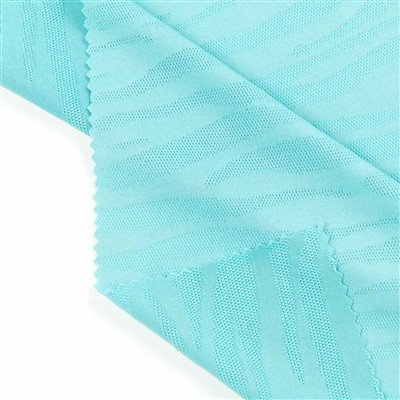
Hey there! As a velvet supplier, I often get asked about the differences between velvet and tulle. These two fabrics are quite distinct, each with its own unique characteristics, uses, and vibes. So, let's dive right in and explore what sets them apart.
Appearance and Texture
First off, let's talk about how they look and feel. Velvet is a fabric that screams luxury. It's got this super soft, plush texture that just begs to be touched. The surface of velvet is made up of tiny, densely packed fibers that stand upright, creating a smooth and velvety finish. When light hits it, it reflects in a way that gives it a beautiful sheen, almost like it's glowing from within.

On the other hand, tulle is a sheer, lightweight fabric. It's made up of fine, net-like threads that create a delicate, airy appearance. Tulle has a very soft and floaty texture, and it's often used to add a touch of elegance and romance to a design. Unlike velvet, tulle doesn't have a lot of body or weight to it, so it drapes very gracefully.
Composition and Manufacturing
The way these two fabrics are made is also quite different. Velvet is typically made from silk, cotton, or a blend of synthetic fibers. The manufacturing process involves weaving two layers of fabric together and then cutting through the threads to create the characteristic pile. This process can be quite labor-intensive, which is one of the reasons why velvet can be more expensive than other fabrics.
Tulle, on the other hand, is usually made from nylon, silk, or polyester. It's created through a process called netting, where the threads are looped together to form a mesh-like structure. This process is relatively simple and inexpensive, which makes tulle a more affordable option for many projects.
Uses and Applications
Now, let's talk about what you can do with these two fabrics. Velvet is a very versatile fabric that can be used for a wide range of applications. It's commonly used in fashion for things like dresses, suits, and jackets. The luxurious texture and appearance of velvet make it a popular choice for formal wear, especially during the colder months.
In addition to fashion, velvet is also used in home decor. It's often used to make upholstery for furniture, such as sofas and chairs, as well as curtains and bedding. The softness and warmth of velvet can add a touch of elegance and comfort to any room.
Tulle, on the other hand, is most commonly associated with bridal and evening wear. It's often used to create the skirts of wedding dresses, as well as veils and petticoats. The delicate and romantic nature of tulle makes it a perfect choice for these types of garments.
Tulle is also used in home decor, although in a different way than velvet. It's often used to create decorative accents, such as curtains, table runners, and pillow covers. The sheer and airy quality of tulle can add a touch of femininity and charm to any space.
Durability and Care
When it comes to durability, velvet and tulle have different characteristics. Velvet is a relatively durable fabric, but it does require some special care. The pile of velvet can be easily crushed or flattened, so it's important to handle it gently and avoid sitting or lying on it for long periods of time. Velvet also tends to attract dust and lint, so it needs to be vacuumed or brushed regularly to keep it looking its best.

Tulle, on the other hand, is a very delicate fabric that requires careful handling. It can easily snag or tear, so it's important to be gentle when wearing or working with tulle. Tulle is also prone to static electricity, which can cause it to cling to clothing or other surfaces. To prevent this, you can use an anti-static spray or fabric softener when washing tulle.

Cost and Availability
The cost of velvet and tulle can vary depending on a number of factors, such as the quality of the fabric, the brand, and the quantity you need. In general, velvet is more expensive than tulle due to its higher quality and more complex manufacturing process. However, you can find affordable options for both fabrics if you shop around.
Both velvet and tulle are widely available in fabric stores and online. You can find a variety of colors, patterns, and textures for both fabrics, so you're sure to find something that suits your needs.

Conclusion
So, there you have it! The main differences between velvet and tulle. While they may seem similar at first glance, these two fabrics have very distinct characteristics, uses, and care requirements. Whether you're looking for a luxurious and durable fabric like velvet or a delicate and romantic fabric like tulle, there's a perfect option for your next project.
If you're interested in purchasing velvet for your next project, I'd love to help. As a velvet supplier, I offer a wide range of high-quality velvet fabrics in a variety of colors and textures. You can also check out some of our other knitted fabrics like Pineapple Double-sided Fabric, French Rowan, and Wave Mesh.
If you have any questions or would like to discuss your specific needs, please don't hesitate to reach out. I'm here to help you find the perfect fabric for your project.
References
- "Fabric Guide: Velvet." The Spruce Crafts.
- "What is Tulle?" LoveToKnow.