Hey there! As a Jacquard cloth supplier, I often get asked about the difference between Jacquard cloth and plain cloth. Well, let's dive right into it and break down the key distinctions between these two types of fabrics.
Appearance
First off, let's talk about how they look. Plain cloth is, as the name suggests, pretty straightforward. It has a simple, uniform texture and pattern. You won't find any fancy designs or intricate details on plain cloth. It's just a basic, smooth surface that can come in a variety of colors, but the look is pretty consistent across the fabric.
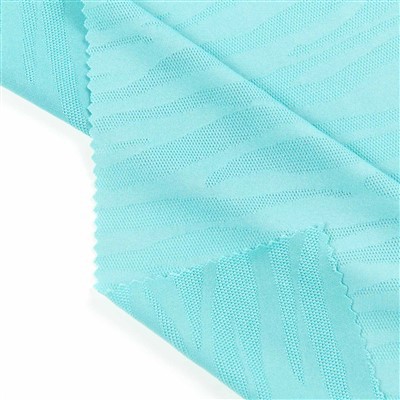
On the other hand, Jacquard cloth is a whole different ballgame. It's known for its elaborate and detailed patterns. These patterns are woven directly into the fabric during the weaving process, using a special Jacquard loom. This allows for incredibly complex designs, from floral motifs to geometric shapes and even detailed images. The patterns on Jacquard cloth can be so intricate that they almost look like they've been printed on, but they're actually a part of the fabric itself. It's like having a work of art woven into your clothing or home decor.
Weaving Process
The weaving process is where the real difference between these two fabrics lies. Plain cloth is woven using a basic over-and-under pattern. The warp (the lengthwise yarns) and the weft (the crosswise yarns) are interlaced in a simple, regular way. This makes the weaving process relatively quick and easy, which is why plain cloth is often more affordable.
Jacquard cloth, however, requires a more sophisticated weaving technique. The Jacquard loom uses a system of punched cards or computerized controls to create the complex patterns. Each card or control setting corresponds to a specific pattern element, and as the loom weaves, it follows these instructions to create the detailed design. This process is much more time-consuming and labor-intensive, which is one of the reasons why Jacquard cloth tends to be more expensive.
Texture and Feel
When it comes to texture and feel, plain cloth is usually smooth and lightweight. It has a soft, comfortable feel against the skin, which makes it a popular choice for everyday clothing, such as t-shirts and underwear. The simplicity of the weave also gives plain cloth a certain breathability, making it suitable for warm weather.
Jacquard cloth, on the other hand, can have a more varied texture. Depending on the pattern and the type of yarn used, it can be smooth and silky or have a more textured, raised surface. The added complexity of the weave can also make Jacquard cloth a bit heavier and less breathable than plain cloth. However, this doesn't mean it's not comfortable to wear. In fact, many people appreciate the luxurious feel of Jacquard cloth, especially in formal or special occasion clothing.
Durability
In terms of durability, both plain cloth and Jacquard cloth can be quite sturdy, but it depends on the quality of the yarn and the weaving. Plain cloth, with its simple weave, is generally less prone to snagging or unraveling. The regular interlacing of the yarns creates a strong, stable fabric that can withstand regular wear and tear.
Jacquard cloth, with its more complex patterns, may be a bit more delicate in some areas. The intricate designs can sometimes make the fabric more vulnerable to damage, especially if it's made with fine yarns. However, if the Jacquard cloth is well-made and the yarns are of high quality, it can be just as durable as plain cloth.
Uses
Plain cloth is incredibly versatile and has a wide range of uses. It's commonly used in the fashion industry for making casual clothing, such as shirts, dresses, and pants. It's also a popular choice for home textiles, like sheets, pillowcases, and curtains. The simplicity of plain cloth makes it easy to dye and print on, so it can be customized to suit different styles and preferences.
Jacquard cloth, with its elaborate patterns, is often used for more formal or decorative purposes. It's a favorite in the world of high fashion, where it's used to create elegant evening gowns, suits, and ties. In home decor, Jacquard cloth can be used to add a touch of luxury to furniture upholstery, draperies, and tablecloths. The unique patterns of Jacquard cloth can really make a statement and elevate the look of any space.
Examples of Different Fabrics
If you're interested in seeing some specific examples of these fabrics, you can check out our Single Fabric, which is a type of plain cloth known for its simplicity and comfort. It's great for everyday wear and can be used in a variety of clothing items.
We also have Pineapple Double-sided Fabric, which is a more unique type of fabric. It has a double-sided design that gives it a bit more texture and visual interest, but it still falls into the category of relatively simple weaves compared to Jacquard cloth.
And for those who love the look of intricate patterns, our Diamond Single Cloth is a great example of Jacquard cloth. It features a beautiful diamond pattern that adds a touch of elegance to any garment or home decor item.


Conclusion
So, there you have it - the main differences between Jacquard cloth and plain cloth. While plain cloth is simple, affordable, and versatile, Jacquard cloth offers a more luxurious and decorative option with its elaborate patterns. Whether you're looking for everyday comfort or something special for a formal occasion, both types of fabrics have their own unique advantages.
If you're interested in purchasing Jacquard cloth for your clothing line, home decor project, or any other use, I'd love to chat with you. We have a wide range of Jacquard cloth options available, and I can help you find the perfect fabric for your needs. Just reach out, and let's start a conversation about your project!
References
- Textile Institute. (n.d.). Weaving techniques and fabric structures.
- Fashion Institute of Technology. (n.d.). Introduction to fabrics.