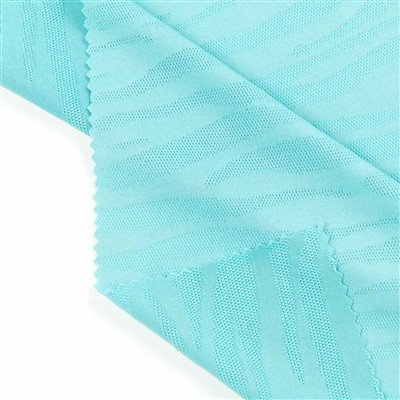
As a seasoned supplier of knitted fabrics, I've witnessed firsthand the evolution of this industry over the years. The transition from traditional to modern knitted fabrics is not just a change in production techniques but also a shift in the functionality, aesthetics, and applications of these fabrics. In this blog, I'll delve into the key differences between traditional and modern knitted fabrics, exploring how these changes have shaped the market and influenced consumer preferences.
Manufacturing Techniques
Traditional knitted fabrics are often crafted using age - old methods that rely on manual labor and simple machinery. Hand - knitting, for example, is a time - honored technique where skilled artisans use knitting needles to create intricate patterns. This method allows for a high degree of customization and attention to detail, but it is extremely labor - intensive and time - consuming.
On the other hand, modern knitted fabrics are produced using advanced automated machinery. Computer - controlled knitting machines can produce fabrics at a much faster rate than traditional methods. These machines are capable of creating complex patterns with precision and consistency. For instance, they can switch between different stitch types and yarns seamlessly, enabling the production of multi - textured and multi - colored fabrics in large quantities. This automation has significantly increased the production capacity of knitted fabric manufacturers, making it possible to meet the growing global demand.
Yarn Selection
The choice of yarn plays a crucial role in determining the characteristics of knitted fabrics. Traditional knitted fabrics typically use natural fibers such as wool, cotton, and silk. Wool, for example, is a popular choice for its warmth, softness, and durability. Cotton is valued for its breathability and comfort, making it ideal for everyday wear. Silk adds a touch of luxury with its smooth texture and natural sheen.
Modern knitted fabrics, however, have a much wider range of yarn options. Synthetic fibers like polyester, nylon, and spandex have become increasingly popular. Polyester is known for its strength, wrinkle - resistance, and quick - drying properties. Nylon is lightweight, abrasion - resistant, and has excellent elasticity. Spandex, also known as elastane, is famous for its high stretchability, which allows fabrics to conform to the body's movements.
Combining natural and synthetic fibers is also a common practice in modern knitted fabrics. For example, a blend of cotton and polyester can offer the comfort of cotton with the durability and easy - care properties of polyester. The Nylon spandex Rowan fabric is a great example of a modern fabric that combines the strength of nylon with the stretch of spandex, resulting in a fabric that is both flexible and long - lasting.
Fabric Structure and Properties
Traditional knitted fabrics often have a relatively simple structure. They are typically made with basic stitch patterns such as the plain stitch, rib stitch, or purl stitch. These simple structures give the fabrics a classic look and feel. For example, a plain - knitted cotton fabric has a smooth surface and a soft drape, making it suitable for a variety of clothing items like T - shirts and dresses.
Modern knitted fabrics, in contrast, can have highly complex structures. Thanks to advanced knitting technology, manufacturers can create fabrics with unique textures, such as 3D patterns, jacquard designs, and mesh structures. These complex structures not only enhance the visual appeal of the fabrics but also add functional properties. For instance, a mesh - structured knitted fabric can provide excellent ventilation, making it ideal for sportswear.
In terms of performance, modern knitted fabrics generally outperform traditional ones in many aspects. They are often more resistant to wear and tear, fading, and shrinking. The Polyester Spandex Jersey Fabric is a prime example of a high - performance modern fabric. It combines the stretch of spandex with the durability of polyester, making it suitable for activewear that can withstand rigorous physical activities.
Aesthetic Appeal
Traditional knitted fabrics have a timeless aesthetic that is often associated with craftsmanship and heritage. The hand - knitted look, with its slight irregularities and unique stitch patterns, gives these fabrics a warm and homely feel. They are often used in traditional clothing styles, such as sweaters, scarves, and mittens, which have a classic and rustic charm.


Modern knitted fabrics, on the other hand, offer a more contemporary and diverse aesthetic. The ability to create complex patterns and textures allows for a wide range of design possibilities. From bold geometric patterns to intricate floral designs, modern knitted fabrics can be used to create fashion - forward clothing and accessories. The French Rowan Fabric showcases modern aesthetics with its unique texture and color combinations, making it a popular choice for designers looking to create statement pieces.
Applications
Traditional knitted fabrics have long been used in the production of clothing items such as sweaters, socks, and blankets. Their natural fibers and classic aesthetics make them suitable for both casual and formal wear. They are also commonly used in home textiles, such as curtains and upholstery, to add a touch of warmth and comfort to living spaces.
Modern knitted fabrics, due to their diverse properties, have a much broader range of applications. In addition to traditional clothing and home textile uses, they are widely used in the sports and outdoor industries. High - performance knitted fabrics with moisture - wicking, stretch, and breathability properties are ideal for sportswear, including running shorts, yoga pants, and cycling jerseys. They are also used in the automotive industry for seat covers, and in the medical field for compression garments.
Environmental Impact
When it comes to the environmental impact, traditional and modern knitted fabrics have different profiles. Traditional knitted fabrics made from natural fibers are generally more biodegradable and have a lower carbon footprint during the production process. For example, cotton is a renewable resource, and wool can be sourced from sustainable sheep farming practices.
However, modern knitted fabrics made from synthetic fibers have some environmental challenges. The production of synthetic fibers often involves the use of non - renewable resources and energy - intensive processes. Additionally, synthetic fabrics can take hundreds of years to decompose in landfills. But many modern manufacturers are now taking steps to address these issues. They are developing recycled synthetic fibers, such as recycled polyester made from plastic bottles, and using more sustainable production methods to reduce the environmental impact of modern knitted fabrics.
Conclusion
In conclusion, the differences between traditional and modern knitted fabrics are significant and multifaceted. While traditional knitted fabrics offer a sense of heritage, craftsmanship, and natural comfort, modern knitted fabrics bring innovation, performance, and versatility to the table. As a supplier, I understand the importance of offering a diverse range of knitted fabrics to meet the varying needs of my customers.
Whether you're a fashion designer looking for the latest trends, a sportswear manufacturer in need of high - performance fabrics, or a consumer seeking comfortable and stylish clothing, I have the right knitted fabric for you. If you're interested in learning more about our products or would like to discuss a potential purchase, please feel free to reach out. We're always ready to assist you in finding the perfect knitted fabric solution for your project.
References
- Textile Institute. (2020). Handbook of Knitted Fabrics. Woodhead Publishing.
- Lewis, M. (2018). The Knitting Revolution: A History of Knitting in the 20th Century. Bloomsbury Publishing.
- McCullough, L. (2019). Sustainable Textiles: Designing for People and Planet. Routledge.