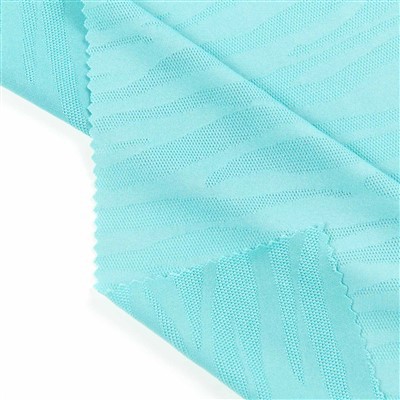
When it comes to striped pique, a fabric well - known for its distinctive texture and wide range of applications, understanding the differences between natural and synthetic varieties is crucial for both suppliers and customers. As a striped pique supplier, I've witnessed firsthand the unique characteristics and market demands of each type. In this blog, I'll delve into the key differences between natural and synthetic striped pique to help you make more informed decisions.
Composition and Material Sources
The most fundamental difference between natural and synthetic striped pique lies in their composition. Natural striped pique is typically made from natural fibers such as cotton. Cotton is a renewable resource derived from the cotton plant. It has been used in textile production for centuries due to its abundance and versatility. When used in striped pique, cotton provides a soft, breathable, and comfortable feel against the skin.
On the other hand, synthetic striped pique is crafted from man - made fibers. Common synthetic materials used in striped pique include polyester, nylon, and spandex. Polyester, for example, is a petroleum - based product. It is created through a chemical process that combines polymers to form long, strong fibers. Nylon is another synthetic fiber known for its high strength and durability. Spandex, also called elastane, is added to provide stretch and flexibility to the fabric. Our Celis Polyester - spandex Single - sided Fabric is a great example of a synthetic fabric that can be used in striped pique production, offering the benefits of both polyester and spandex.
Physical Properties
Breathability
One of the standout features of natural striped pique, especially cotton - based ones, is its excellent breathability. Cotton fibers have natural pores that allow air to circulate freely through the fabric. This makes natural striped pique an ideal choice for clothing items such as polo shirts, which are often worn in warm weather. The breathability helps to keep the wearer cool and comfortable by allowing moisture to evaporate quickly.
Synthetic striped pique, however, generally has lower breathability. Polyester and nylon fibers are more tightly packed and do not have the same natural air - circulation properties as cotton. This can lead to a build - up of heat and moisture, making the wearer feel uncomfortable, especially during physical activities. However, some modern synthetic fabrics are engineered with special moisture - wicking technologies to improve their breathability to a certain extent.
Durability
Synthetic striped pique often outperforms natural striped pique in terms of durability. Polyester and nylon fibers are stronger and more resistant to wear and tear compared to cotton. They can withstand repeated washing, stretching, and abrasion without losing their shape or color. This makes synthetic striped pique a great choice for products that require long - term use, such as work uniforms or sports apparel.
Natural striped pique, while still relatively durable, may be more prone to shrinking, fading, and fraying over time. Cotton fibers can break down with frequent washing and exposure to harsh chemicals. However, with proper care, natural striped pique can maintain its quality for a reasonable period.

Stretch and Elasticity
If stretch and elasticity are important factors, synthetic striped pique is the way to go. Spandex, when blended with other synthetic fibers, can provide a high degree of stretch and recovery. This is particularly useful in sports and activewear, where freedom of movement is essential.
Natural striped pique, especially pure cotton versions, has limited stretch. While some cotton blends may have a small amount of stretch, it is not comparable to the stretch provided by spandex - containing synthetic fabrics.
Aesthetic and Comfort
Appearance
Natural striped pique has a warm, natural look and feel. The texture of cotton gives it a soft, organic appearance that is often associated with quality and comfort. The colors of natural striped pique tend to be more muted and earthy, which can add a touch of elegance to clothing items.

Synthetic striped pique can have a more uniform and shiny appearance. The smooth surface of polyester and nylon fibers can give the fabric a modern, high - tech look. Synthetic fabrics can also be dyed to achieve bright, vibrant colors that may not be as easily achievable with natural fibers.
Comfort
As mentioned earlier, natural striped pique is highly comfortable due to its breathability and softness. It is hypoallergenic, making it suitable for people with sensitive skin. The natural fibers conform to the body's shape, providing a comfortable and relaxed fit.
Synthetic striped pique, while it may lack the same level of breathability, can still be comfortable, especially when blended with a small amount of natural fibers. The stretchy nature of synthetic fabrics can also contribute to a better fit and more freedom of movement.
Environmental Impact
Sustainability
Natural striped pique, particularly when made from organic cotton, is generally more sustainable than synthetic striped pique. Organic cotton is grown without the use of pesticides and synthetic fertilizers, which reduces the environmental impact. Cotton is also biodegradable, meaning it will break down naturally over time.
Synthetic fibers, on the other hand, are derived from non - renewable resources such as petroleum. The production of synthetic fibers requires a significant amount of energy and generates a large amount of waste. Additionally, synthetic fabrics are not biodegradable and can take hundreds of years to decompose in landfills. However, some manufacturers are now developing more sustainable synthetic options, such as recycled polyester, which helps to reduce the environmental footprint.
Production Processes
The production process of natural striped pique involves growing the cotton plant, harvesting the cotton, and then spinning, weaving, and finishing the fabric. This process can be relatively labor - intensive and may require a significant amount of water.
The production of synthetic striped pique involves complex chemical processes. These processes can release harmful chemicals and pollutants into the environment if not properly managed. However, advancements in technology have led to more efficient and environmentally friendly production methods for synthetic fibers.
Cost
In general, natural striped pique tends to be more expensive than synthetic striped pique. The cost of growing and processing natural fibers such as cotton is relatively high, especially if it is organic cotton. Additionally, the lower durability of natural striped pique may require more frequent replacement, which can also add to the overall cost.
Synthetic striped pique is often more affordable due to the lower cost of production and the abundance of synthetic materials. This makes it a popular choice for budget - conscious consumers and large - scale production.
Applications
Natural Striped Pique
Natural striped pique is commonly used in high - end fashion and casual wear. Polo shirts made from natural striped pique are a classic choice for both men and women. They are also used in children's clothing due to their softness and comfort. In addition, natural striped pique can be found in home decor items such as pillowcases and tablecloths.
Synthetic Striped Pique
Synthetic striped pique is widely used in sports and activewear. Its durability, stretch, and moisture - wicking properties make it ideal for items such as athletic jerseys, shorts, and leggings. It is also used in work uniforms, as it can withstand the rigors of daily use. Our Pineapple Mesh and Nylon Four - sided Stretch Composite Brushed Fabric are examples of synthetic fabrics that can be used in various applications similar to striped pique.
Conclusion
In conclusion, both natural and synthetic striped pique have their own unique advantages and disadvantages. Natural striped pique offers breathability, comfort, and a natural aesthetic, while synthetic striped pique provides durability, stretch, and affordability. As a striped pique supplier, I understand the diverse needs of our customers and can offer a wide range of options to meet those needs. Whether you are looking for high - end fashion fabrics or functional sports apparel, we have the right striped pique for you.

If you are interested in purchasing striped pique or have any questions about our products, please feel free to contact us for a procurement discussion. We are committed to providing high - quality fabrics and excellent customer service.
References
- Textile Institute. "Handbook of Textile Fibres: Natural Fibres." Woodhead Publishing, 2018.
- Lewin, M. "Fiber Chemistry." Third Edition, CRC Press, 2007.
- American Apparel and Footwear Association. "Sustainable Apparel and Footwear: An Industry Overview." 2020.