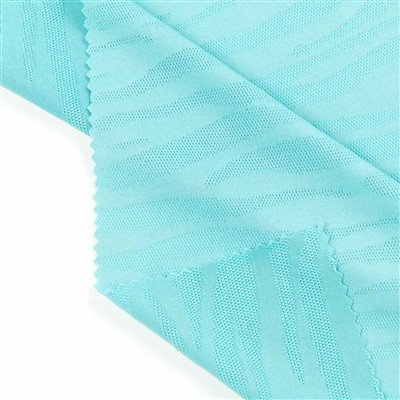
Hey there! As a supplier of double - sided fabric, I often get asked this question: "Is double - sided fabric static - free?" Let's dive into this topic and find out the truth.
First off, what exactly is double - sided fabric? It's a type of fabric that has two distinct sides, both of which can be used. This gives it a lot of versatility, and it's great for making all sorts of stuff, from clothing to home decor items.
Now, let's talk about static. Static electricity is a common annoyance, especially in dry environments. You know those times when you walk across a carpet and then get a shock when you touch a metal doorknob? That's static electricity in action. In fabrics, static can cause clothes to cling to your body, attract dust and lint, and just generally be a pain.
So, is double - sided fabric static - free? Well, it's not that simple. Whether a double - sided fabric is static - free depends on several factors.
One of the key factors is the material the fabric is made from. Some materials are more prone to static than others. For example, synthetic materials like polyester and nylon are notorious for generating static. On the other hand, natural fibers like cotton and wool are generally less likely to build up static.
If our double - sided fabric is made from natural fibers, it has a better chance of being static - free. Cotton, for instance, is a great choice. It's breathable, comfortable, and doesn't hold onto static as much as synthetic materials. Wool is another option. It has natural properties that can help reduce static.
But even if the fabric is made from natural fibers, there are still other things that can affect static buildup. The environment plays a big role. In dry air, static is more likely to occur. That's why you'll notice more static problems in the winter when the air is cold and dry. Humidity can actually help reduce static. When the air is more humid, there's more moisture in the air, which can prevent static from building up.
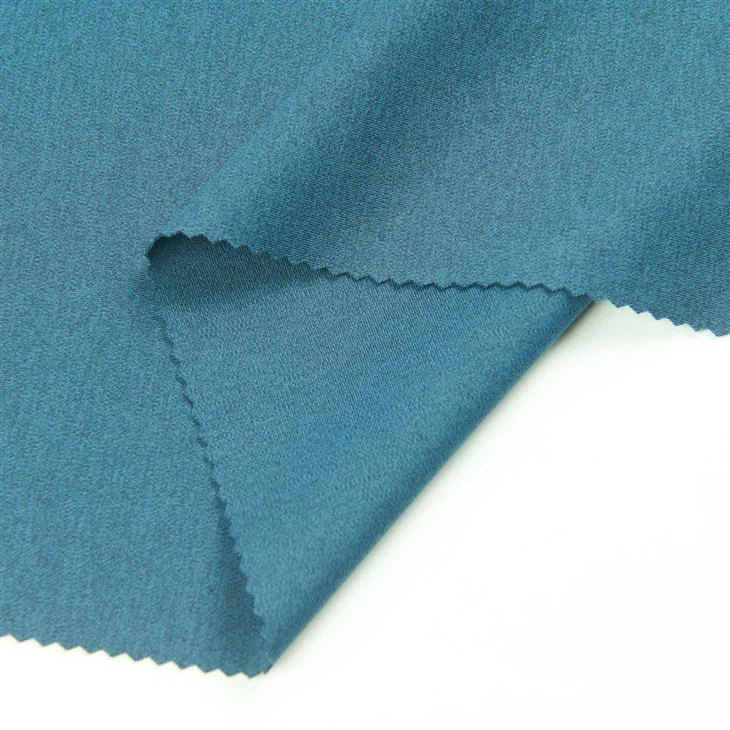

Another factor is how the fabric is treated during the manufacturing process. Some fabrics are treated with anti - static agents. These are chemicals that are added to the fabric to reduce static. As a double - sided fabric supplier, we have the option to treat our fabrics with anti - static agents if we want to make them more static - free.
Let's take a look at some of the different types of double - sided fabrics we offer. We have the Recycled Double-sided Fabric. This fabric is not only eco - friendly but also has good potential when it comes to static. Since it can be made from a blend of natural and recycled materials, it might have less static compared to pure synthetic fabrics.
We also have other related products like the Moisture Wicking Quick-drying Single-sided Fabric. While it's single - sided, understanding its properties can give us some insights. This fabric is designed to wick away moisture quickly. Moisture can help in reducing static, so similar principles can be applied when thinking about double - sided fabrics.
And then there's the Rowan fabric. The material used in Rowan fabric can vary, but if it has natural fiber components, it may be less likely to generate static.
If you're really concerned about static in double - sided fabric, there are some things you can do on your end. You can use fabric softeners when washing the fabric. Fabric softeners can help reduce friction between the fibers, which in turn reduces static. You can also add a humidifier to your living or working space. By increasing the humidity, you'll make it less likely for static to build up on the fabric.
In conclusion, double - sided fabric isn't automatically static - free. It depends on the material, the manufacturing process, and the environment. But as a supplier, we can offer fabrics that are more likely to be static - free, especially those made from natural fibers or treated with anti - static agents.
If you're in the market for double - sided fabric and want to learn more about our products' static - resistant properties, don't hesitate to reach out. We're here to help you find the perfect fabric for your needs. Whether you're a fashion designer looking for the right fabric for your next collection or a home decor enthusiast wanting to spruce up your living space, we've got you covered. Contact us for more information and to start a purchase negotiation.
References
- Textile Institute. (2023). Handbook of Textile Fibres. Woodhead Publishing.
- Vigo, T. L. (2022). Textile Chemistry: Fundamentals, Processes, and Applications. Wiley.