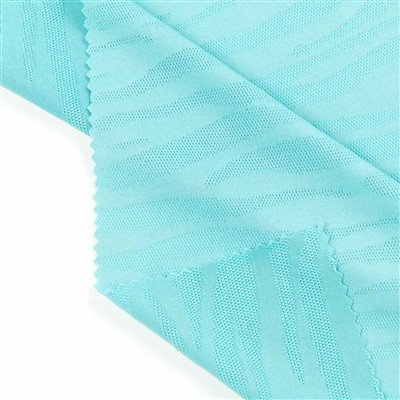
Sewing seams with Polyester Rowan is a skill that combines the unique properties of this material with the art of sewing. As a Polyester Rowan supplier, I've had the privilege of witnessing the diverse applications of this fabric and the beautiful creations that can be made with it. In this blog, I'll share some valuable insights on how to sew seams with Polyester Rowan effectively.
Understanding Polyester Rowan
Polyester Rowan is a synthetic fabric known for its durability, wrinkle - resistance, and colorfastness. It often has a smooth texture, which can make it a bit challenging to sew compared to some natural fibers. However, with the right techniques, you can achieve excellent results.
One of the key characteristics of Polyester Rowan is its low absorbency. This means that it doesn't hold moisture well, which can be an advantage in some cases, such as for outdoor or sportswear. But it also affects how the fabric behaves during sewing. The fabric tends to be slippery, so it's important to take precautions to keep the layers in place while sewing.
Preparing the Fabric
Before you start sewing, proper fabric preparation is crucial. First, wash and dry the Polyester Rowan fabric according to the care instructions. This helps to preshrink the fabric and remove any chemicals or finishes that might be on the surface.
After washing, iron the fabric gently. Use a medium - heat setting on your iron, as high heat can damage the synthetic fibers of Polyester Rowan. Make sure to iron in the direction of the grain to avoid distorting the fabric.
Choosing the Right Thread
Selecting the appropriate thread is essential for sewing seams with Polyester Rowan. A polyester - based thread is a great choice because it has similar properties to the fabric. Polyester thread is strong, durable, and resistant to stretching and shrinking. It also has good colorfastness, which means it won't fade over time.
The weight of the thread should match the weight of the fabric. For lightweight Polyester Rowan, a finer thread (such as 50 - weight) is suitable, while for heavier fabrics, a 40 - weight or even 30 - weight thread might be more appropriate.
Selecting the Needle
The needle you use can significantly impact the quality of your seams. For Polyester Rowan, a universal or a microtex needle is a good option. Universal needles are suitable for a wide range of fabrics, while microtex needles have a very sharp point, which is ideal for piercing the smooth surface of synthetic fabrics without causing damage.
The size of the needle depends on the weight of the fabric. For lightweight Polyester Rowan, a size 70/10 or 80/12 needle is appropriate, while for heavier fabrics, you can use a size 90/14 or 100/16 needle.


Pinning and Basting
Pinning the fabric layers together is an important step in keeping them in place while sewing. However, because Polyester Rowan is slippery, regular pins might not hold the layers securely. You can use ball - point pins, which have a rounded tip that won't catch on the fabric as easily.
Another option is to use basting stitches. Basting is a temporary stitching method that holds the fabric layers together. You can use a long stitch length on your sewing machine or sew by hand with a large - eyed needle and a contrasting thread. Basting helps to keep the fabric aligned and makes it easier to sew the final seams.
Sewing Techniques
Straight Seams
When sewing straight seams with Polyester Rowan, start by setting your sewing machine to a medium stitch length, usually around 2.5 to 3 millimeters. This length provides a good balance between strength and flexibility.
Guide the fabric through the machine slowly and steadily. Use the edge of the presser foot as a guide to keep your seams straight. If you're having trouble keeping the fabric in place, you can use a walking foot on your sewing machine. A walking foot feeds the fabric evenly from the top and the bottom, which helps to prevent slipping.
Curved Seams
Sewing curved seams requires a bit more skill. First, clip the seam allowance on the inside curve of the fabric at regular intervals. This allows the fabric to curve without puckering. Make sure not to clip too close to the stitching line.
When sewing the curve, slow down your sewing speed and pivot the fabric gently as you go around the curve. You can also use a smaller stitch length (around 2 millimeters) for curved seams to ensure a smooth and secure join.
Finishing the Seams
After sewing the seams, it's important to finish them to prevent fraying. There are several ways to finish seams with Polyester Rowan.
One option is to use a serger. A serger trims the edge of the fabric and sews a finish at the same time. It creates a professional - looking, durable seam finish.
If you don't have a serger, you can use a zigzag stitch on your sewing machine. Set the stitch width to about 2 to 3 millimeters and the stitch length to around 1 millimeter. Sew along the raw edge of the seam allowance to encase the fabric and prevent fraying.
Another method is to use bias binding. Bias binding is a strip of fabric cut on the bias, which gives it stretch and flexibility. You can sew the bias binding around the raw edge of the seam to create a neat and finished look.
Different Types of Seams for Polyester Rowan
Plain Seam
The plain seam is the simplest type of seam. It's created by placing two fabric layers right - sides together and sewing along the edge. This type of seam is suitable for most projects, especially when the seam will be hidden or when the fabric is not under a lot of stress.
French Seam
A French seam is a more decorative and durable seam. It's created by sewing the fabric layers wrong - sides together first with a narrow seam allowance (about 1/8 inch). Then, you turn the fabric right - sides out and sew another seam, enclosing the raw edges inside. French seams are great for lightweight Polyester Rowan and for projects where you want a clean, finished look on both sides of the fabric.
Flat - Fell Seam
A flat - fell seam is a strong and durable seam commonly used in denim and heavy - duty fabrics, but it can also be used with heavier Polyester Rowan. To create a flat - fell seam, you place the fabric layers wrong - sides together and sew a narrow seam. Then, you fold one of the seam allowances over the other and sew another seam on top, enclosing the raw edges.
Applications of Polyester Rowan
Polyester Rowan can be used in a wide variety of projects. It's popular for making clothing items such as jackets, skirts, and trousers. Its durability and wrinkle - resistance make it suitable for everyday wear.
In addition to clothing, Polyester Rowan can also be used for home decor projects. You can make curtains, pillow covers, or tablecloths with this fabric. Its colorfastness ensures that the items will look great for a long time.
If you're interested in exploring different patterns and textures of Polyester Rowan, you can check out Checkered Jacquard Fabric, Concave and Convex Jacquard Fabric, and Geometric Mesh Fabric. These fabrics offer unique visual and tactile qualities that can add a special touch to your sewing projects.
Conclusion
Sewing seams with Polyester Rowan can be a rewarding experience if you follow the right techniques. By understanding the properties of the fabric, choosing the appropriate thread and needle, and using the correct sewing and finishing methods, you can create beautiful and durable seams.
Whether you're a beginner or an experienced sewer, I encourage you to experiment with Polyester Rowan and explore its many possibilities. If you're interested in purchasing Polyester Rowan fabric for your next project, please feel free to contact us for more information and to discuss your specific needs. We're here to help you find the perfect fabric for your creative endeavors.
References
- "The Complete Photo Guide to Sewing" by Reader's Digest
- "Sewing with Synthetic Fabrics" by Threads Magazine