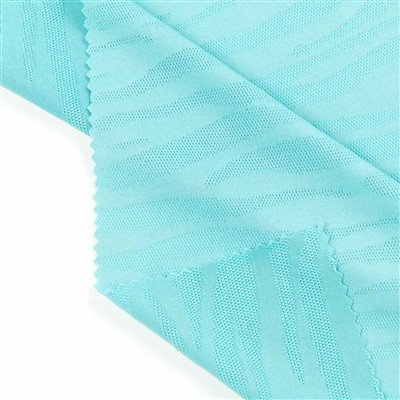
Striped pique is a classic and versatile fabric that combines style with comfort. As a supplier of high - quality striped pique, I understand that keeping this fabric looking its best is essential for both our customers and the long - term appeal of the product. Stains can be a common concern, but with the right knowledge and techniques, they can be effectively removed. In this blog, I'll share some professional tips on how to remove stains from striped pique.

Understanding Striped Pique
Before delving into stain removal, it's important to understand the nature of striped pique. This fabric is known for its distinctive texture, often featuring raised stripes or a honeycomb - like pattern. It is typically made from cotton or a cotton blend, which gives it breathability and a soft feel. However, these same qualities can also make it more susceptible to stains. The texture of the pique can trap dirt and spills, and the cotton fibers can absorb liquids easily.
Types of Stains and Their Causes
There are various types of stains that can affect striped pique. Here are some of the most common ones:

- Food and Beverage Stains: These are perhaps the most frequent stains. Coffee, tea, wine, and sauces can all leave unsightly marks on the fabric. For example, red wine contains pigments that can quickly set into the fibers, while oily sauces can create greasy spots.
- Grease and Oil Stains: Cooking oil, butter, or even skin oils can cause stains on striped pique. These stains are particularly challenging because oil doesn't dissolve in water easily.
- Ink Stains: Whether it's from a pen leak or an accidental brush - off, ink stains can be stubborn and difficult to remove.
- Dirt and Mud Stains: When the fabric comes into contact with dirt or mud, it can leave a dirty residue. If not treated promptly, the dirt can dry and become more ingrained in the fibers.
General Stain Removal Guidelines
Before applying any stain - removal method, it's crucial to test it on a small, inconspicuous area of the fabric to ensure it doesn't cause discoloration or damage. Here are some general steps to follow when removing stains from striped pique:

- Act Quickly: The sooner you address a stain, the easier it will be to remove. Blot the stain gently with a clean, white cloth to absorb as much of the liquid as possible. Avoid rubbing, as this can spread the stain and push it deeper into the fibers.
- Identify the Stain: Different stains require different treatment methods. Refer to the specific stain - removal guides below to determine the best approach for your particular stain.
- Choose the Right Cleaning Agent: There are many cleaning agents available, from household items like vinegar and baking soda to commercial stain removers. Select a cleaning agent that is suitable for the type of stain and the fabric.
- Follow the Instructions: Whether you're using a homemade solution or a commercial product, make sure to follow the instructions carefully. Over - applying a cleaning agent or leaving it on the fabric for too long can damage the fibers.
Specific Stain Removal Methods
Food and Beverage Stains
- Coffee and Tea Stains: Mix a solution of one part white vinegar and two parts water. Dip a clean cloth into the solution and blot the stain gently. Rinse the area with cold water and repeat if necessary. For stubborn stains, you can use a commercial stain remover that is safe for cotton fabrics.
- Wine Stains: Blot the stain immediately with a clean cloth to remove as much wine as possible. Sprinkle salt on the stain to absorb the remaining liquid. Let the salt sit for a few minutes, then brush it off. Mix a solution of one tablespoon of dish soap and two cups of warm water. Dip a cloth into the solution and gently blot the stain. Rinse with cold water.
- Sauce Stains: Scrape off any excess sauce with a dull knife. Pretreat the stain with a small amount of liquid laundry detergent. Rub the detergent into the stain gently, then let it sit for 5 - 10 minutes. Wash the fabric in cold water according to the care instructions.
Grease and Oil Stains
- Cornstarch or Talcum Powder: Sprinkle a generous amount of cornstarch or talcum powder on the stain. Let it sit for at least 30 minutes to absorb the oil. Brush off the powder and repeat if necessary.
- Dish Soap: Apply a small amount of dish soap directly to the stain. Gently rub the soap into the fabric using your fingers or a soft brush. Let it sit for a few minutes, then rinse with cold water. Wash the fabric as usual.
Ink Stains
- Rubbing Alcohol: Moisten a clean cloth with rubbing alcohol. Blot the ink stain gently, starting from the outer edges and working your way in. Change the cloth frequently to avoid spreading the ink. Rinse the area with cold water and wash the fabric.
- Hairspray: Some hairsprays can help remove ink stains. Spray a small amount of hairspray on the stain and let it sit for a few minutes. Blot the stain with a clean cloth and rinse with cold water.
Dirt and Mud Stains
- Let the Stain Dry: If the stain is wet, let it dry completely. Once dry, gently brush off as much dirt as possible.
- Cold Water Rinse: Soak the fabric in cold water to loosen the remaining dirt. Add a small amount of mild detergent to the water and gently agitate the fabric. Rinse thoroughly with cold water.
Maintaining the Quality of Striped Pique
After removing stains, it's important to take steps to maintain the quality of the striped pique. Here are some tips:

- Wash the Fabric Properly: Follow the care instructions on the fabric label. Most striped pique can be machine - washed in cold water on a gentle cycle. Use a mild detergent and avoid using bleach, as it can damage the fabric.
- Dry the Fabric Correctly: Air - drying is the best option for striped pique, as it helps prevent shrinkage and damage. If you need to use a dryer, use a low - heat setting.
- Iron with Care: If the fabric needs to be ironed, use a low - to - medium heat setting and iron on the reverse side of the fabric to avoid damaging the texture.
Our Striped Pique Products
As a leading supplier of striped pique, we offer a wide range of high - quality products. Our [Graphene Pique](/knitted - fabrics/graphene - pique.html) combines the classic look of striped pique with the innovative properties of graphene, providing enhanced durability and performance. We also have the [XYY - 1580 Youliangsi Recycled Eco - friendly Single - sided Fabric](/knitted - fabrics/xyy - 1580 - youliangsi - recycled - eco - friendly.html), which is not only stylish but also environmentally friendly. And our [XYY - 1578 Paper Weigth (Quadruple Magic)](/knitted - fabrics/xyy - 1578 - paper - weigth - quadruple - magic.html) offers a unique texture and feel.
Contact Us for Procurement
If you're interested in purchasing our striped pique products, we'd love to hear from you. Whether you're a fashion brand, a retailer, or an individual looking for high - quality fabric, we can provide you with the best solutions. Contact us to start a procurement discussion and discover how our striped pique can meet your needs.
References
- American Cleaning Institute. "Stain Removal Guide."
- Cotton Incorporated. "Cotton Fabric Care and Maintenance."
- Textile Research Journal. "Research on Stain Resistance and Removal of Cotton Fabrics."