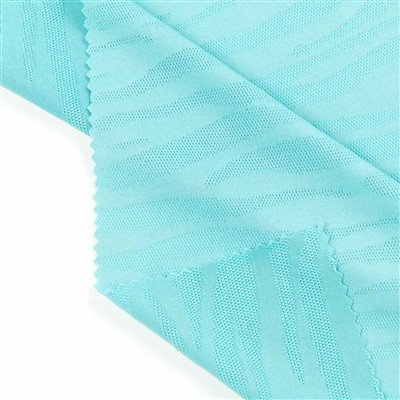
As a single fabric supplier, I often receive inquiries from customers about how to make single fabric softer. A soft fabric not only enhances the comfort of the end - product but also adds to its overall quality and desirability. In this blog, I will share some effective methods to achieve a softer single fabric.


1. Material Selection
The first step in obtaining a soft single fabric starts with the choice of raw materials. Different fibers have distinct characteristics in terms of softness.
Natural Fibers
- Cotton: Cotton is one of the most popular choices for single fabric due to its natural softness, breathability, and comfort. Organic cotton, in particular, is grown without the use of pesticides and synthetic fertilizers, resulting in a purer and often softer fiber. The long - staple cotton varieties, such as Egyptian cotton and Pima cotton, are known for their extra - soft and smooth texture. They have longer fibers that are less likely to break, creating a more uniform and soft fabric surface.
- Silk: Silk is renowned for its luxurious softness and smoothness. It has a fine and delicate fiber structure that gives it a natural sheen and a gentle touch against the skin. Mulberry silk, produced by silkworms fed on mulberry leaves, is the most common and highest - quality type of silk used in fabric production. Its softness makes it ideal for high - end single fabrics in lingerie, sleepwear, and scarves.
Synthetic Fibers
- Polyester: While polyester is often criticized for being less soft than natural fibers, modern manufacturing techniques have made significant improvements. Celis 100% Polyester Single Jersey Fabric is an example of a polyester - based single fabric that has been engineered to be soft. Microfiber polyester, with its extremely fine fibers, can mimic the softness of natural fibers and is often used in sportswear and activewear due to its moisture - wicking properties.
- Nylon: Nylon is a strong and durable synthetic fiber. Nylon color stripe crepe fabric can have a soft and drapey quality. It is often used in hosiery and swimwear. The smooth surface of nylon fibers gives it a certain level of softness, and when blended with other fibers, it can enhance the overall softness and performance of the fabric.
2. Manufacturing Processes
The way the fabric is manufactured also plays a crucial role in determining its softness.
Weaving and Knitting
- Weaving: In weaving, the tightness of the weave affects the softness of the fabric. A looser weave generally results in a softer fabric as it allows the fibers more freedom to move and bend. For example, a plain weave with a relatively low thread count can be softer compared to a tightly woven twill or satin weave. However, the choice of weave also depends on the intended use of the fabric.
- Knitting: Knitted single fabrics are often softer than woven ones because the interlocking loops of yarn create a more flexible and stretchy structure. Single - jersey knitting, in particular, is known for its softness and comfort. The continuous loop formation allows the fabric to conform to the body's movements easily, giving it a gentle feel.
Finishing Treatments
- Enzyme Washing: Enzyme washing is a common finishing process used to soften fabrics, especially cotton. Enzymes break down the surface fibers of the fabric, creating a softer and more worn - in look. This process can also reduce the stiffness of the fabric and improve its absorbency.
- Softener Application: The use of fabric softeners during the finishing stage is a straightforward way to make single fabric softer. There are different types of softeners available, including cationic, anionic, and non - ionic softeners. Cationic softeners are the most commonly used as they can provide a long - lasting softness and reduce static electricity. However, they may not be suitable for all types of fabrics, especially those that are sensitive to pH changes. Non - ionic softeners are more gentle and can be used on a wider range of fabrics.
3. Post - Production Care
Proper care after the fabric is produced is essential to maintain and even enhance its softness.
Washing
- Detergent Selection: Choosing the right detergent is crucial. Harsh detergents with high levels of chemicals can damage the fibers and make the fabric stiff. Opt for mild, natural detergents that are specifically formulated for delicate fabrics. These detergents are less likely to leave residue on the fabric and can help preserve its softness.
- Washing Temperature: Washing the fabric at a lower temperature is generally better for maintaining its softness. High temperatures can cause the fibers to shrink and become brittle. For most single fabrics, a gentle cycle at 30°C (86°F) or lower is recommended.
- Rinse Cycle: Ensure that the fabric is thoroughly rinsed during the wash cycle to remove all traces of detergent. Residual detergent can make the fabric feel rough and itchy. Adding an extra rinse cycle can be beneficial.
Drying
- Air Drying: Air drying is the gentlest way to dry single fabric. Hanging the fabric to dry in a well - ventilated area allows the fibers to retain their natural softness. Avoid direct sunlight, as it can cause the fabric to fade and become brittle over time.
- Tumble Drying: If tumble drying is necessary, use a low - heat setting. High - heat drying can shrink the fabric and damage the fibers, reducing its softness. Adding dryer balls to the dryer can also help fluff up the fabric and make it softer by preventing the fibers from clumping together.
4. Blending with Other Fibers
Blending single fabric with other fibers can be an effective strategy to enhance its softness.
Natural - Synthetic Blends
- Cotton - Polyester Blend: Blending cotton with polyester can combine the softness of cotton with the durability and wrinkle - resistance of polyester. The polyester fibers can help maintain the shape of the fabric, while the cotton provides the soft touch. This type of blend is commonly used in everyday clothing, such as T - shirts and casual wear.
- Silk - Nylon Blend: A silk - nylon blend can create a fabric that is both soft and strong. The silk contributes to the luxurious softness, while the nylon adds strength and abrasion resistance. This blend is often used in high - performance sportswear and outdoor clothing.
Multi - Fiber Blends
- Blending three or more fibers: By combining different fibers, such as cotton, wool, and polyester, it is possible to create a single fabric with a unique combination of properties. For example, wool can add warmth and a certain level of softness, while cotton and polyester can contribute to comfort and durability. This approach allows for more customization of the fabric's softness and performance according to the specific requirements of the end - product.
5. Innovative Technologies
The textile industry is constantly evolving, and new technologies are emerging to make single fabric softer.
Nanotechnology
Nanotechnology involves the manipulation of materials at the nanoscale. In fabric production, nanocoatings can be applied to the surface of the fabric to enhance its softness. These coatings can create a smooth and slippery surface, reducing friction between the fabric and the skin. Nanoparticles can also be used to modify the structure of the fibers, making them more flexible and softer.
Graphene Technology
Graphene Pique Fabric is an example of how innovative materials can be used to improve fabric softness. Graphene is a thin, strong, and highly conductive material. When incorporated into fabric, it can enhance the fabric's thermal conductivity, moisture - wicking properties, and softness. The unique structure of graphene allows it to interact with the fibers in a way that improves the overall feel of the fabric.
In conclusion, making single fabric softer is a multi - faceted process that involves material selection, manufacturing processes, post - production care, fiber blending, and the application of innovative technologies. As a single fabric supplier, I am committed to providing high - quality, soft fabrics to my customers. If you are interested in purchasing our single fabrics or have any questions about fabric softness, please feel free to contact us for further discussion and negotiation.
References
- Textile Chemistry and Coloration, Second Edition by Lewis M. L.
- Handbook of Fiber Chemistry, Third Edition by Menachem Lewin and Eli M. Pearce.