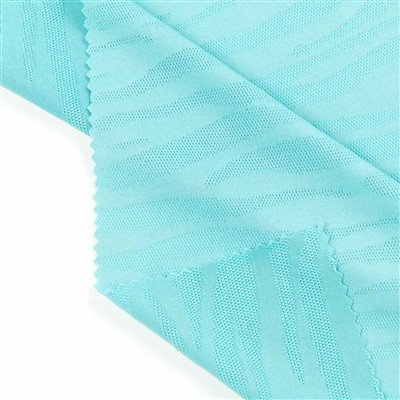
Velvet tablecloths exude elegance and sophistication, making them a perfect addition to any special occasion or formal dining setting. As a seasoned velvet supplier, I've had the privilege of working with a wide array of velvet fabrics and have mastered the art of creating beautiful velvet tablecloths. In this blog post, I'll share my insights and step-by-step guide on how to make a velvet tablecloth.
Materials and Tools
Before you start, gather the necessary materials and tools. You'll need high-quality velvet fabric, which is the heart of your tablecloth. At our supply, we offer a diverse range of velvet options, from classic to modern textures and colors. Additionally, you'll need matching thread, scissors, a measuring tape, pins, and an iron. Depending on your design, you might also need a sewing machine.


When choosing the velvet, consider the quality. Good velvet should have a soft, luxurious feel and a dense pile. It's important to ensure the fabric is durable enough to withstand regular use and washing. We recommend opting for a heavier weight velvet for a more substantial and long-lasting tablecloth.
Measuring Your Table
The first step is to accurately measure your table. Start by measuring the length and width of the tabletop. To determine the desired drop – the length of fabric that hangs over the edge of the table – consider the style and occasion. For a more formal look, a drop of 15 to 30 inches is common. Add the total drop on both sides to the length and width of the tabletop to get the dimensions of your fabric.
For example, if your table is 60 inches long and 36 inches wide, and you want a 20-inch drop on all sides, you'll need to add 40 inches to both the length and width. So, you'd need a piece of fabric that is 100 inches long and 76 inches wide.
Cutting the Fabric
Once you have your measurements, it's time to cut the velvet. Lay the fabric out on a clean, flat surface, making sure it's smooth and free of wrinkles. Use a measuring tape and pins to mark the dimensions on the fabric. When cutting the velvet, be very careful. The fabric can be slippery, so use sharp scissors and make slow, precise cuts.
It's also a good idea to cut a little extra on each side to account for any potential mistakes or adjustments during the sewing process. If you're making a round or oval tablecloth, you can use a large plate or a circular template to mark the shape before cutting.
Sewing the Edges
Sewing the edges of the velvet is crucial to prevent fraying and to give your tablecloth a finished look. There are several methods you can use. One common approach is to use a serger or overlock stitch, which is fast and effective at finishing the edges. If you don't have a serger, you can use a zigzag stitch on your sewing machine.
Another option is to hem the edges. Fold the fabric over by about 1/4 to 1/2 inch, press it with an iron, and then fold it over again to create a clean edge. Pin the hem in place and sew it using a straight stitch. Make sure to sew close to the edge of the fold to keep it secure.
Adding Embellishments (Optional)
If you want to add a personal touch to your velvet tablecloth, you can consider adding embellishments. This could include embroidery, beading, or lace trim. Embroidery can be done by hand or using a machine, depending on your skill level and the complexity of the design.
Beading can add a glamorous sparkle to the tablecloth. You can use a variety of beads, such as sequins, seed beads, or rhinestones. Simply sew them onto the fabric using a fine thread. Lace trim can give your tablecloth a romantic and vintage look. Just sew it along the edges or in a decorative pattern on the fabric.
Care and Maintenance
Once your velvet tablecloth is complete, it's important to take proper care of it to ensure its longevity. Velvet is a delicate fabric, so it should be handled with care. When washing, it's best to use a gentle cycle with cold water and a mild detergent. Avoid using bleach or harsh chemicals, as they can damage the fabric.
After washing, hang the tablecloth to dry or lay it flat to prevent stretching. Iron the velvet on a low setting, and place a clean cloth between the iron and the fabric to avoid direct contact. If possible, steam the velvet to restore its pile and remove any wrinkles.
Related Fabrics
If you're interested in exploring other fabric options for different projects, we also offer a variety of high-quality Knitted Fabrics. Check out our Polyester Bio Stretch Fabric, Single Jacquard Fabric, and 100% Polyester Wave Mesh Fabric. These fabrics are versatile and can be used for a wide range of applications, from clothing to home decor.
Reach Out for Procurement
As a trusted velvet supplier, we take pride in offering top-quality fabrics at competitive prices. Whether you're a home crafter looking for a single piece of velvet for a special project or a business in need of bulk orders, we're here to assist you. Our team has extensive knowledge of velvet fabrics and can provide you with expert advice on choosing the right fabric for your needs.
If you're interested in purchasing velvet fabric for your tablecloth project or other creations, we encourage you to reach out to us for procurement. We're ready to start a discussion and help you find the perfect velvet for your next endeavor.
References
- "Fabric Sewing Handbook" by Smith, J.
- "The Art of Table Linens" by Brown, A.