When it comes to sewing corduroy, one of the most crucial decisions you'll make is choosing the right thread. As a corduroy supplier, I've witnessed firsthand how the wrong thread can mar the beauty of this classic fabric, while the right one can elevate your sewing project to new heights. In this blog post, I'll share some insights on how to choose the perfect thread for sewing corduroy, ensuring that your creations not only look great but also stand the test of time.
Understanding Corduroy
Before delving into thread selection, it's essential to understand the unique characteristics of corduroy. Corduroy is a durable, textured fabric with distinct ridges or "wales." The width and number of wales per inch can vary, with finer wales typically found in more lightweight corduroys and wider wales in heavier, more robust versions. This texture can pose challenges when sewing, as the thread needs to be strong enough to penetrate the fabric without breaking or snagging.
Thread Types
There are several types of thread available, each with its own set of properties that make it suitable for different sewing applications. Here are some of the most common thread types and their suitability for sewing corduroy:
Cotton Thread
Cotton thread is a popular choice for sewing corduroy due to its strength, durability, and natural feel. It blends well with the fabric and provides a classic, traditional look. However, cotton thread can shrink when washed, so it's important to pre - wash your corduroy and thread to prevent any misalignment or puckering.
Polyester Thread
Polyester thread is known for its strength, resistance to stretching, and colorfastness. It's less likely to shrink or fade than cotton thread, making it a great option for projects that will be washed frequently. Polyester thread also has a smooth finish, which helps it glide through the fabric easily, reducing the risk of snagging on the corduroy's ridges.
Silk Thread
Silk thread is a luxurious option that adds a touch of elegance to your sewing projects. It's incredibly strong and has a beautiful sheen that can enhance the appearance of corduroy. However, silk thread is more expensive than cotton or polyester and may not be suitable for everyday projects.
Nylon Thread
Nylon thread is extremely strong and elastic, making it ideal for projects that require flexibility and durability. It's resistant to abrasion and can withstand a lot of wear and tear, making it a good choice for heavy - duty corduroy items such as jackets or work pants.
Consider the Weight of the Corduroy
The weight of the corduroy you're using will also influence your thread choice. Heavier corduroys with wider wales require a stronger, thicker thread to ensure that the seams hold up under stress. For lighter corduroys with finer wales, a thinner thread may be more appropriate, as it will be less likely to show on the surface of the fabric.
If you're working with a very heavy corduroy, such as a 10 - ounce or 12 - ounce weight, consider using a 60 - weight or 90 - weight thread. These thicker threads will provide the strength needed to sew through multiple layers of fabric and create durable seams. For medium - weight corduroys, a 40 - weight or 50 - weight thread is usually sufficient. Lighter corduroys, such as those in the 4 - ounce to 6 - ounce range, can be sewn with a 60 - weight or even an 80 - weight thread for a more delicate finish.
Match the Color
Matching the thread color to your corduroy is essential for a professional - looking finish. You can either choose a thread that exactly matches the color of the fabric or opt for a contrasting color to add a decorative touch. If you're unsure which color to choose, it's a good idea to test a few different threads on a scrap piece of corduroy to see how they look.
When matching colors, keep in mind that the thread may appear slightly different on the surface of the corduroy due to the fabric's texture. To ensure an accurate match, hold the thread up against the fabric in different lighting conditions and at different angles.
Compatibility with Sewing Machine
Not all threads are created equal when it comes to compatibility with sewing machines. Some threads may be too thick or too sticky to feed smoothly through the machine, causing jams or breakage. Before starting your project, make sure to test the thread on your sewing machine to ensure that it runs smoothly.
If you're using a serger, you'll need to choose a thread that is specifically designed for serging. Serging thread is usually lighter in weight and has a different construction than regular sewing thread, which allows it to form a strong, flexible seam.

Special Considerations for Decorative Sewing
If you're planning to add decorative stitching to your corduroy project, such as topstitching or embroidery, you'll need to choose a thread that is both strong and visually appealing. Metallic threads can add a touch of glamour to your project, but they can also be more difficult to sew with due to their stiffness. Make sure to use a needle that is appropriate for the thickness of the metallic thread and adjust your sewing machine's tension accordingly.
Another option for decorative sewing is to use a variegated thread, which changes color along its length. Variegated threads can create a beautiful, eye - catching effect on corduroy, especially when used for topstitching or embroidery.
Additional Fabric Options
As a corduroy supplier, we also offer a range of other high - quality fabrics that you might find interesting for your sewing projects. For instance, French Terry is a soft and comfortable knitted fabric that is perfect for casual wear. It has a looped backing that provides extra warmth and absorbency.
The Celis Polyester - spandex Single - sided Fabric is another great option. It combines the stretch and durability of spandex with the smoothness of polyester, making it ideal for form - fitting garments.
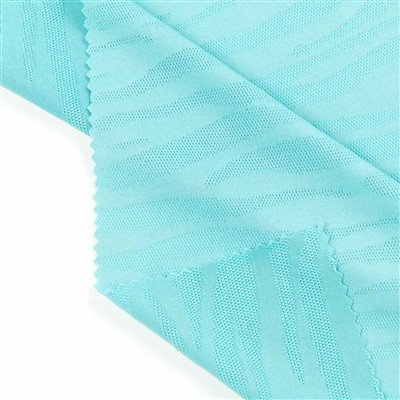
If you're looking for something more unique, the Concave and Convex Jacquard Fabric offers a beautiful, textured pattern that can add a touch of sophistication to any project.
Conclusion
Choosing the right thread for sewing corduroy is a critical step in ensuring the success of your sewing project. By considering factors such as thread type, weight, color, and compatibility with your sewing machine, you can select a thread that will not only enhance the appearance of your corduroy but also provide the strength and durability needed for long - lasting seams.

As a corduroy supplier, we're here to help you with all your fabric and sewing needs. Whether you're a professional seamstress or a hobbyist, we have the expertise and products to support your creative endeavors. If you're interested in purchasing corduroy or any of our other fabrics, please don't hesitate to contact us for more information and to discuss your specific requirements.
References
- Singer Sewing Company. "Thread Guide."
- Vogue Patterns. "Sewing Techniques for Corduroy."
- Fabric.com. "Understanding Thread Weights."