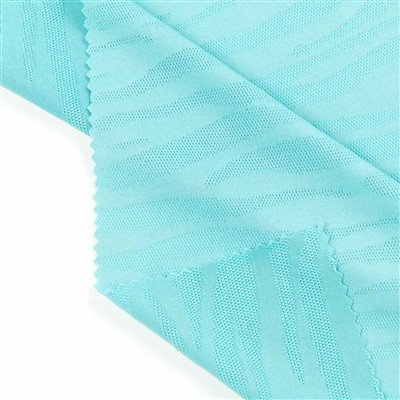
Fruit mesh plays a crucial role in the protection and preservation of fruits, especially in high - humidity areas. As a fruit mesh supplier, I've witnessed firsthand the challenges and solutions related to using fruit mesh in such environments. In this blog, I'll delve into how fruit mesh works in high - humidity areas, the types of mesh suitable for these conditions, and why they are effective.
The Challenges of High - Humidity Areas
High - humidity areas pose several challenges for fruit storage and transportation. Excessive moisture in the air can lead to the growth of mold and fungi on the surface of fruits. These microorganisms can cause rotting, discoloration, and a significant reduction in the shelf - life of fruits. Moreover, high humidity can make fruits more prone to physical damage as the excess moisture softens their skin, making them more vulnerable to bruising and puncturing during handling.
Another issue is the potential for condensation. When fruits are moved between different temperature zones in high - humidity environments, condensation can form on their surfaces. This water accumulation not only provides a breeding ground for pathogens but also can lead to the formation of a film that restricts the exchange of gases, such as oxygen and carbon dioxide, which are essential for the natural respiration of fruits.
How Fruit Mesh Addresses These Challenges
Ventilation
One of the primary functions of fruit mesh in high - humidity areas is to provide adequate ventilation. Fruit mesh is designed with an open - weave structure that allows air to circulate freely around the fruits. This continuous airflow helps to reduce the build - up of moisture on the fruit's surface. By preventing the accumulation of stagnant, moist air, the risk of mold and fungus growth is significantly reduced. For example, when fruits are packed in mesh bags, the air can pass through the tiny holes in the mesh, carrying away excess moisture and keeping the fruit's surface dry.


Protection from Physical Damage
Fruit mesh also acts as a protective layer for fruits in high - humidity areas. The mesh provides a cushioning effect that helps to prevent fruits from coming into direct contact with each other or with hard surfaces during transportation and storage. This reduces the likelihood of bruising and puncturing, which are more likely to occur in high - humidity conditions when the fruit's skin is softer. Additionally, the mesh can act as a barrier against pests that might be attracted to the moist environment and the fruits themselves.
Gas Exchange
As mentioned earlier, fruits need to exchange gases for their natural respiration. The open structure of fruit mesh allows for the proper exchange of oxygen and carbon dioxide. In high - humidity areas, where the presence of moisture can impede this gas exchange, fruit mesh ensures that the fruits can breathe normally. This is essential for maintaining the freshness and quality of the fruits over time.
Types of Fruit Mesh Suitable for High - Humidity Areas
XYY - 1580 Youliangsi Recycled Eco - friendly Single - sided Fabric
The XYY - 1580 Youliangsi Recycled Eco - friendly Single - sided Fabric is an excellent choice for high - humidity areas. This fabric is made from recycled materials, which not only makes it environmentally friendly but also gives it unique properties. The single - sided design allows for better air circulation on one side, while the fabric itself has moisture - wicking capabilities. It can absorb and disperse excess moisture away from the fruits, keeping them dry. The recycled nature of the fabric also means that it is durable and can withstand the rigors of high - humidity environments without losing its integrity.
Double - sided Fabric
The Double - sided Fabric is another option for high - humidity areas. This type of mesh has two layers of fabric, which provides additional protection for the fruits. The double - sided structure offers enhanced ventilation and moisture management. It can trap and disperse moisture more effectively than single - sided fabrics. Moreover, the double - sided fabric is often more resistant to tearing and abrasion, making it suitable for long - distance transportation and extended storage periods in high - humidity conditions.
Wave Mesh
The Wave Mesh is a unique type of fruit mesh that is well - suited for high - humidity areas. Its wave - like structure creates additional air channels, which improve ventilation and air circulation around the fruits. The wave pattern also allows for better distribution of pressure, reducing the risk of damage to the fruits. This type of mesh is particularly effective in preventing the formation of moisture pockets, as the waves encourage the movement of air and the dispersion of moisture.
Considerations for Using Fruit Mesh in High - Humidity Areas
Material Selection
When choosing fruit mesh for high - humidity areas, it's important to consider the material. Some materials are more resistant to moisture and mold than others. For example, synthetic materials like polyester and nylon are often more durable and less prone to mold growth compared to natural fibers. However, natural fibers like cotton can be a good choice if they are treated with anti - mold and moisture - wicking agents.
Mesh Density
The density of the mesh also matters. A mesh with a higher density may provide more protection but could restrict air circulation. On the other hand, a very low - density mesh may not offer sufficient protection against physical damage. It's crucial to find a balance between protection and ventilation based on the specific type of fruit and the storage and transportation conditions.
Maintenance
Even with the use of fruit mesh, proper maintenance is essential in high - humidity areas. Regularly inspecting the fruits and the mesh for signs of mold or damage is necessary. If any issues are detected, the affected fruits should be removed promptly, and the mesh should be cleaned or replaced if needed.
Conclusion
In high - humidity areas, fruit mesh is an invaluable tool for ensuring the quality and longevity of fruits. By providing ventilation, protection from physical damage, and facilitating gas exchange, fruit mesh helps to overcome the challenges posed by excessive moisture. The XYY - 1580 Youliangsi Recycled Eco - friendly Single - sided Fabric, Double - sided Fabric, and Wave Mesh are all excellent options for these conditions, each with its own unique advantages.
If you're in the market for high - quality fruit mesh that can perform well in high - humidity areas, I encourage you to reach out to discuss your specific needs. We can provide you with the right solutions tailored to your requirements, ensuring that your fruits remain fresh and protected throughout the supply chain.
References
- Smith, J. (2018). Fruit Preservation in High - Humidity Environments. Journal of Agricultural Science.
- Johnson, A. (2019). The Role of Packaging Materials in Fruit Storage. Packaging Research Quarterly.
- Brown, C. (2020). Ventilation and Moisture Management in Fruit Packaging. International Journal of Food Science and Technology.