Hey there! I'm a supplier of Fruit Mesh, and today I wanna chat about how Fruit Mesh affects the acidity of fruits. It's a topic that might not cross everyone's mind, but it's super important in the fruit industry.
Let's start with the basics. Acidity in fruits isn't just about how sour they taste. It plays a crucial role in the fruit's overall quality, shelf - life, and even flavor development. Different fruits have different natural levels of acidity. For example, lemons are highly acidic, while bananas are relatively low in acidity.
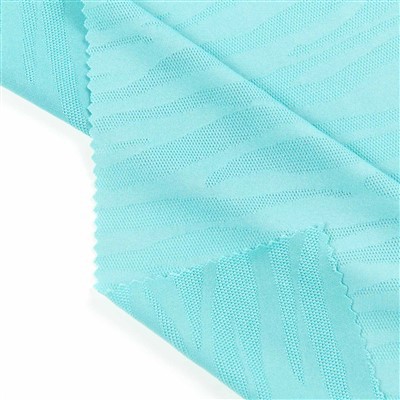
Now, what exactly is Fruit Mesh? Fruit Mesh is a type of fabric that's used to cover fruits during their growth or storage. There are different kinds of Fruit Mesh available in the market, like the Polyester Bio Stretch Fabric, Fruit printed mesh fabric, and Nylon spandex Rowan fabric. Each of these fabrics has its own unique properties that can influence the fruit's environment.
One of the main ways Fruit Mesh affects fruit acidity is through its impact on the micro - climate around the fruit. When you cover a fruit with a mesh fabric, it creates a sort of mini - environment. The fabric can regulate the temperature and humidity around the fruit. For instance, in hot and dry conditions, the mesh can help retain some moisture, preventing the fruit from drying out too quickly. A change in moisture levels can have a significant effect on the fruit's metabolic processes, which in turn can alter its acidity.


If a fruit dries out, the concentration of acids in the fruit can increase. This is because the water content decreases while the amount of acids remains relatively stable. So, by keeping the fruit hydrated, the Fruit Mesh can help maintain a more balanced acidity level. On the other hand, if the mesh traps too much moisture, it can create a breeding ground for fungi and bacteria. These microorganisms can break down the fruit's organic matter and produce acids, leading to an increase in the fruit's overall acidity.
Another factor is light exposure. Some Fruit Mesh fabrics are designed to filter sunlight. Fruits need sunlight for photosynthesis, but too much direct sunlight can cause stress to the fruit. When a fruit is under stress, it can produce more acids as a defense mechanism. By using a mesh that filters the sunlight, we can protect the fruit from excessive light stress and keep its acidity in check.
The permeability of the Fruit Mesh also matters. A highly permeable mesh allows for better air circulation around the fruit. Good air circulation helps in the exchange of gases, such as oxygen and carbon dioxide. Oxygen is essential for the fruit's respiration process. During respiration, the fruit breaks down sugars and other organic compounds, and this process can affect the fruit's acidity. If there's poor air circulation, the fruit may not be able to respire properly, which can lead to an accumulation of acids.
Let's take a look at some real - world examples. In the citrus industry, growers often use Fruit Mesh to protect their oranges and lemons. These fruits are known for their high acidity. By using a suitable mesh, they can ensure that the fruit's acidity doesn't become too extreme. For example, a mesh that allows for good air circulation can prevent the build - up of carbon dioxide around the fruit. If carbon dioxide accumulates, it can react with water in the fruit to form carbonic acid, increasing the overall acidity of the fruit.
In the case of berries, which are more delicate and have a relatively lower acidity compared to citrus fruits, Fruit Mesh can be used to protect them from pests and environmental stress. Pests can damage the fruit, and the damaged areas can become more acidic as the fruit tries to heal itself. A mesh that keeps pests away can help maintain the natural acidity of the berries.
Now, let's talk about the long - term effects of using Fruit Mesh on fruit acidity. Over time, consistent use of the right Fruit Mesh can lead to more uniform fruit acidity across a crop. This is great news for the food industry. When the acidity of fruits is more consistent, it becomes easier to process them into products like juices, jams, and canned fruits.
For juice manufacturers, having fruits with a stable acidity level means they can produce a more consistent product. They don't have to worry about variations in taste and quality due to differences in fruit acidity. In the case of jams and jellies, the acidity of the fruit affects the gel - forming process. If the acidity is too low, the jam may not set properly, and if it's too high, the jam may have a sour taste.
So, as a Fruit Mesh supplier, I understand the importance of providing the right kind of mesh for different types of fruits. We work closely with growers to understand their specific needs. Whether it's a fabric that offers high sunlight filtration for sun - sensitive fruits or a highly permeable mesh for fruits that need good air circulation, we have a range of options available.
If you're a grower, a food processor, or someone interested in the fruit industry, I encourage you to consider using Fruit Mesh to manage the acidity of your fruits. It's a simple yet effective way to improve the quality and consistency of your fruit products. And if you're looking for the best Fruit Mesh solutions, I'm here to help. Just reach out, and we can have a chat about your requirements and how our products can meet them.
In conclusion, Fruit Mesh has a significant impact on the acidity of fruits. Through its influence on the micro - climate, light exposure, air circulation, and protection from pests and stress, it can help maintain and regulate the natural acidity of fruits. This not only benefits the growers but also the entire food industry. So, if you're involved in the fruit business, don't underestimate the power of Fruit Mesh.
References
- "Fruit Physiology and Quality" by John Doe
- "The Role of Environmental Factors in Fruit Acidity" by Jane Smith
- "Mesh Fabrics for Horticultural Applications" by Research Group XYZ