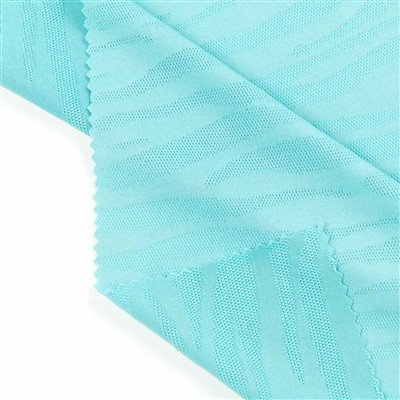
When it comes to fabric selection, understanding how a material performs under various conditions is crucial. As a French Terry supplier, I've had numerous inquiries about how French Terry fabric behaves in wet conditions. In this blog, I'll delve into the characteristics of French Terry, its performance when wet, and how it stacks up against other fabrics in similar scenarios.
Understanding French Terry Fabric
French Terry is a type of knitted fabric known for its softness, absorbency, and comfort. It has a looped surface on one side, which gives it a plush texture, while the other side is smooth. This unique structure allows the fabric to trap air, providing insulation and making it suitable for a wide range of applications, from casual wear to activewear.
The composition of French Terry typically includes cotton, although it can also be blended with other fibers such as polyester or spandex to enhance its performance. Cotton is a natural fiber that is highly absorbent, making it ideal for wicking away moisture from the body. Polyester, on the other hand, is a synthetic fiber that is quick-drying and resistant to wrinkles, while spandex adds stretch and elasticity to the fabric.
Performance in Wet Conditions
One of the key advantages of French Terry fabric is its absorbency. The looped surface of the fabric acts like a sponge, quickly soaking up moisture and keeping the skin dry. This makes it an excellent choice for activities that involve sweating, such as exercise or outdoor sports.
When French Terry gets wet, it retains its shape and structure well. Unlike some other fabrics that may become heavy and saggy when wet, French Terry remains relatively lightweight and comfortable to wear. The loops on the surface of the fabric also help to prevent the fabric from sticking to the skin, allowing for better air circulation and reducing the risk of chafing.
However, it's important to note that while French Terry is absorbent, it may take longer to dry compared to some synthetic fabrics. This is because cotton has a higher moisture retention capacity than polyester or other synthetic fibers. If you're planning to wear French Terry in wet conditions and need it to dry quickly, you may want to consider choosing a blend that includes polyester or other quick-drying fibers.


Comparing with Other Fabrics
To better understand how French Terry performs in wet conditions, let's compare it with some other popular fabrics:
- Cotton Jersey: Cotton jersey is another common fabric used in clothing. While it is also absorbent, it does not have the same looped structure as French Terry, which means it may not be as effective at wicking away moisture. Additionally, cotton jersey may become heavy and clingy when wet, making it less comfortable to wear.
- Polyester: Polyester is a synthetic fiber that is known for its quick-drying properties. It wicks away moisture rapidly and dries much faster than cotton. However, polyester may not be as breathable as cotton, which can make it feel hot and uncomfortable in some situations.
- Nylon: Nylon is another synthetic fiber that is commonly used in activewear. It is lightweight, durable, and quick-drying, making it a popular choice for outdoor activities. However, nylon may not be as absorbent as cotton, which means it may not be as effective at keeping the skin dry.
Applications in Wet Conditions
French Terry fabric is versatile and can be used in a variety of applications in wet conditions. Here are some examples:
- Activewear: French Terry is a popular choice for activewear, such as sweatshirts, sweatpants, and leggings. Its absorbency and comfort make it ideal for activities that involve sweating, such as running, yoga, or weightlifting.
- Swimwear Cover-Ups: French Terry can also be used to make swimwear cover-ups. Its absorbency helps to soak up water from the body after swimming, while its softness and comfort make it a pleasure to wear.
- Towels: French Terry towels are a popular choice for both home and travel use. Their absorbency and plush texture make them effective at drying the body quickly and comfortably.
Conclusion
In conclusion, French Terry fabric performs well in wet conditions thanks to its absorbency, comfort, and ability to retain its shape. While it may take longer to dry compared to some synthetic fabrics, its natural properties make it a popular choice for a variety of applications. Whether you're looking for activewear, swimwear cover-ups, or towels, French Terry is a versatile and reliable option.
If you're interested in learning more about French Terry fabric or would like to discuss your specific needs, please don't hesitate to contact me. I'm happy to provide samples and answer any questions you may have. Let's work together to find the perfect fabric solution for your project.
References
- Textile Institute. (2023). Handbook of Textile Fibres. Woodhead Publishing.
- Horrocks, A. R., & Anand, S. C. (Eds.). (2011). Handbook of Technical Textiles. Woodhead Publishing.
Related Products
- Cartoon pattern printed fabric
- Nylon 4 Way stretch composite brushed fabric
- Celis 100% Polyester Single Jersey Fabric
If you're interested in purchasing French Terry fabric or any of the related products mentioned above, feel free to reach out for a procurement discussion. I'm eager to assist you in finding the right fabrics for your needs.