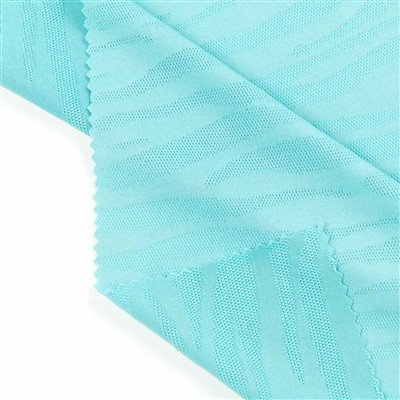
The design of Roman cloth was a powerful indicator of social status in ancient Rome, reflecting the hierarchical structure of society through various elements such as fabric type, color, and decorative details. As a supplier of Roman - inspired cloth, I have delved deep into the historical significance of these designs and witnessed how they can still carry meaning in modern contexts.
Fabric Type: A Clear Distinction
In ancient Rome, the type of fabric used in clothing was one of the most fundamental ways to denote social standing. The upper - class citizens, including senators, patricians, and wealthy merchants, had access to the finest and most luxurious fabrics. Silk, for example, was an extremely rare and expensive material in Rome. It was imported from the Far East, and its soft texture, sheen, and lightness made it a symbol of opulence. Wearing silk garments was a clear statement of wealth and high social status, as only the wealthiest could afford such imports.
Another fabric associated with the elite was purple - dyed wool. The purple dye, known as Tyrian purple, was extracted from a particular species of sea snail. The process of obtaining this dye was labor - intensive and costly, which made purple - dyed wool extremely valuable. Emperors and high - ranking officials often wore purple togas or robes, as purple was seen as the color of royalty and power.
On the other hand, the lower classes, such as slaves, laborers, and freedmen, had to make do with more common fabrics. Coarse wool was a staple for these groups. It was durable and could withstand the rigors of daily work, but it lacked the finesse and luxury of silk or purple - dyed wool. The simple and rough nature of coarse wool clothing signified the wearer's humble social position.
As a supplier, I offer a range of fabrics inspired by these historical distinctions. Our Graphene single sided Fabric provides a modern - day alternative to the luxurious materials of the past. Its advanced properties and smooth texture can be associated with a sense of sophistication, much like the silk and purple - dyed wool of ancient Rome. Meanwhile, our more practical and cost - effective fabrics can be likened to the coarse wool worn by the lower classes, suitable for those with different needs and budgets.


Color: A Symbolic Language
Color played a crucial role in Roman society, and it was closely tied to social status. Beyond the aforementioned purple, other colors also had specific connotations. White was often associated with purity and was commonly worn by priests and those involved in religious ceremonies. The white toga, known as the toga candida, was also worn by candidates for public office, symbolizing their integrity and moral standing.
Red was a color of power and military might. Generals and military commanders often wore red cloaks or tunics to signify their authority and leadership on the battlefield. The color red was also used in the decorations of important public buildings and official ceremonies, further emphasizing its association with power and prestige.
Brown and gray were more common colors among the lower classes. These earthy tones were less expensive to produce and were practical for daily wear. They did not carry the same symbolic weight as the more vibrant and costly colors, and thus were a visual marker of a lower social position.
At our company, we understand the importance of color in reflecting status. Our Polyester Double - sided Fabric comes in a variety of colors, allowing customers to choose the ones that best suit their desired image. Whether it's a bold red for a statement - making look or a more subdued brown for a practical and understated style, we have options to cater to different social and aesthetic preferences.
Decorative Details: The Finer Points of Status
Decorative elements on Roman clothing were another way to display social status. The upper classes adorned their garments with intricate embroidery, gold or silver thread, and precious gemstones. These details added to the visual appeal of the clothing and demonstrated the wearer's wealth and access to high - quality craftsmanship. For example, senators' togas were often decorated with a broad purple stripe, known as the latus clavus, which set them apart from other citizens.
In contrast, the clothing of the lower classes was relatively plain. They might have simple geometric patterns or basic stitching, but there were no elaborate decorations. This lack of adornment was a clear indication of their limited resources and lower social standing.
Our Fine Striped Polka Dot Fabric offers a modern take on decorative elements. The stripes and polka dots can add a touch of style and sophistication, similar to the decorative details on the clothing of the Roman elite. Customers can choose from different patterns and color combinations to create a unique look that reflects their personal taste and social aspirations.
Modern - Day Reflections
In modern society, while the social hierarchy may not be as rigid as in ancient Rome, the design of clothing still plays a role in communicating social status. People use clothing to express their identity, wealth, and social standing. High - end fashion brands often use luxurious materials, bold colors, and intricate designs to target consumers who want to display their success and status. On the other hand, more affordable and practical clothing options are available for those with different financial means.
As a supplier of Roman - inspired cloth, we recognize the continued importance of these design elements. Our fabrics can be used in a variety of applications, from historical reenactments to modern - day fashion statements. Whether you're a theater group looking for authentic Roman - style costumes or a fashion designer seeking inspiration from the past, our range of fabrics can meet your needs.
Connect and Purchase
If you're interested in exploring our Roman - inspired cloth collection, I invite you to get in touch with us. We are eager to engage in discussions about your specific requirements and how our fabrics can be tailored to your projects. Whether it's for a special event, a fashion line, or any other application, our team is ready to assist you in finding the perfect cloth.
References
- Beard, Mary. "The Roman Triumph." Harvard University Press, 2007.
- Dunbabin, Katherine M. D. "The Roman Banquet: Images of Conviviality." Cambridge University Press, 2003.
- Sebesta, Judith Lynn, and Larissa Bonfante. "The World of Roman Costume." University of Wisconsin Press, 1994.