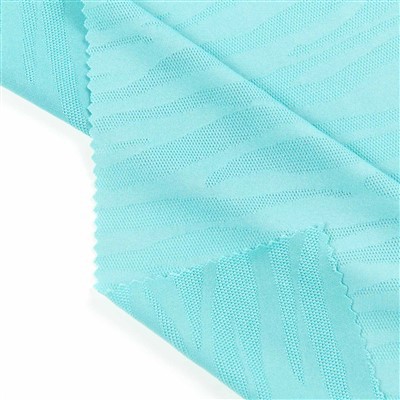
As a Roman cloth supplier, I've witnessed firsthand the evolution of marketing strategies in the textile industry. In ancient Rome, cloth production was a significant economic activity, and producers employed various methods to promote and sell their products. Today, while the techniques have advanced, the core principles of marketing remain the same: understanding the target audience, highlighting product features, and building a strong brand reputation.
Understanding the Target Audience
In ancient Rome, the demand for cloth was diverse, ranging from basic garments for the working class to luxurious fabrics for the wealthy elite. Roman cloth producers had to identify their target customers and tailor their marketing efforts accordingly. For instance, producers targeting the upper - class would focus on creating high - quality, intricately designed fabrics. They would use materials like silk, which was imported from the East and highly prized for its softness and sheen. These luxury fabrics were often dyed in vibrant colors using expensive natural dyes, such as Tyrian purple, which was derived from sea snails and was extremely costly.
In modern times, as a Roman cloth supplier, I still need to understand my target market. My customers can be divided into different segments, including fashion designers, clothing manufacturers, and individual consumers. Fashion designers are often looking for unique and high - end fabrics that can set their collections apart. Clothing manufacturers, on the other hand, are more concerned with quality, price, and availability in large quantities. Individual consumers may be interested in a variety of factors, such as comfort, style, and affordability.
To reach these different segments, I use a multi - channel marketing approach. For fashion designers, I participate in industry trade shows and fashion events. These events provide an opportunity to showcase my latest fabric collections and network with potential clients. I also send personalized samples to designers who have expressed interest in my products. This allows them to feel the texture and quality of the fabric firsthand.
For clothing manufacturers, I focus on building long - term relationships. I offer competitive pricing, reliable delivery schedules, and excellent customer service. I also provide technical support to ensure that the fabric meets their specific production requirements.
To target individual consumers, I have an online store where they can browse and purchase my fabrics. I use social media platforms to promote my products, share fashion inspiration, and engage with my customers. I also offer free shipping and easy returns to make the shopping experience more convenient.
Highlighting Product Features
In ancient Rome, cloth producers would emphasize the unique features of their fabrics to attract customers. They would showcase the durability of their woolen cloths, the softness of their linen, or the brightness of their dyed fabrics. For example, a producer of woolen cloaks might highlight how the thick, warm wool could protect the wearer from the cold Roman winters.
As a modern Roman cloth supplier, I also focus on highlighting the features of my products. I offer a wide range of fabrics, each with its own unique characteristics. For example, I have 100% Cotton Fleece Fabric, which is known for its softness, absorbency, and warmth. This fabric is perfect for making winter clothing, blankets, and towels.
Another popular product is the Celis 100% Polyester Single Jersey Fabric. This fabric is lightweight, breathable, and has excellent stretch properties. It is ideal for making activewear, such as sports shirts and leggings.
I also offer Nylon color stripe crepe fabric, which is known for its unique texture and vibrant colors. This fabric is often used in high - fashion clothing and can add a touch of elegance to any outfit.
When marketing these products, I use high - quality product images and detailed descriptions. I describe the fabric's composition, weight, width, and care instructions. I also provide information on how the fabric can be used, such as the types of clothing or accessories that can be made from it. In addition, I highlight any special features, such as moisture - wicking properties, anti - static treatment, or UV protection.
Building a Strong Brand Reputation
In ancient Rome, a cloth producer's reputation was crucial for success. Producers who were known for their high - quality products and fair business practices would attract more customers and build a loyal clientele. They would often display their products in prominent locations, such as the Roman Forum, to increase visibility and credibility.
Today, building a strong brand reputation is still essential. As a Roman cloth supplier, I focus on providing high - quality products and excellent customer service. I source my fabrics from reliable suppliers and conduct strict quality control checks before they are sold. I also have a team of experienced customer service representatives who are available to answer any questions and resolve any issues that my customers may have.
I also engage in corporate social responsibility activities to enhance my brand image. For example, I support sustainable textile production practices by using eco - friendly dyes and materials. I also work with local communities to provide employment opportunities and support local economic development.
By building a strong brand reputation, I can differentiate myself from my competitors and attract more customers. My customers know that they can trust me to provide high - quality products and reliable service.
Conclusion
Marketing Roman cloth products has come a long way from ancient times. While the basic principles of understanding the target audience, highlighting product features, and building a strong brand reputation remain the same, the methods and tools have evolved significantly. As a modern Roman cloth supplier, I use a combination of traditional and digital marketing techniques to reach my customers and promote my products.


If you are interested in purchasing high - quality Roman cloth for your fashion projects, clothing manufacturing business, or personal use, I invite you to contact me. I would be happy to discuss your specific needs and provide you with more information about my products.
References
- Beard, M., & Crawford, M. (2009). Rome in the Late Republic: Problems and Interpretations. Routledge.
- Ward - Perkins, B. (2005). The Fall of Rome and the End of Civilization. Oxford University Press.
- Wild, J. P. (1970). The Textile Industry of the Ancient World. Cambridge University Press.