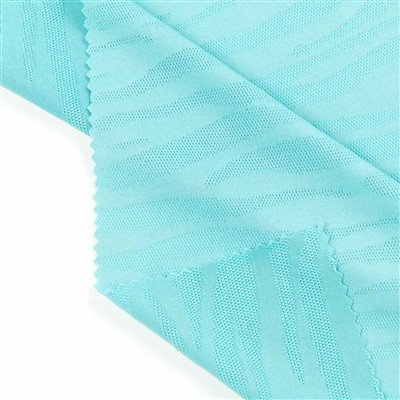
Hey there! As a supplier of Pineapple Mesh, I often get asked this question: "Does Pineapple Mesh repel water?" Well, let's dive right into it and explore the ins and outs of this awesome fabric.


First off, let's talk a bit about what Pineapple Mesh is. Pineapple Mesh is a unique fabric known for its distinct texture and appearance. It's got this cool mesh - like structure that gives it a bit of a sporty and modern look. It's used in a wide range of applications, from sportswear to casual clothing, and even some home decor items.
Now, onto the big question: water repellency. Whether Pineapple Mesh repels water depends on a few factors. One of the main things is the material it's made from. Usually, Pineapple Mesh can be made from different fibers, such as polyester, nylon, or a blend of them.
Polyester is a common choice for making Pineapple Mesh. Polyester fibers have some natural water - resistant properties. They don't absorb water easily and tend to let water roll off the surface. This means that if your Pineapple Mesh is made mainly of polyester, it will have a certain degree of water repellency. When water hits the fabric, it won't soak in right away; instead, it will form droplets and might run off.
Nylon is another fiber that can be used in Pineapple Mesh. Nylon is also known for being relatively water - resistant. It has a smooth surface that doesn't hold onto water well. So, if your Pineapple Mesh has a significant amount of nylon in it, it will also help the fabric repel water.
However, it's important to note that just because Pineapple Mesh can have some water - repellent qualities doesn't mean it's completely waterproof. If you expose it to a large amount of water for a long time, like being caught in a heavy downpour for hours, eventually, some water will start to seep through.
Another factor that affects water repellency is the weave of the Pineapple Mesh. The mesh structure itself can either help or hinder water repellency. A tighter weave will generally be more water - resistant because there are fewer gaps for water to get through. On the other hand, a looser weave might allow water to penetrate more easily.
Some manufacturers also treat Pineapple Mesh with special water - repellent coatings. These coatings can enhance the fabric's ability to repel water. They work by creating an extra barrier on the surface of the fabric, making it even more difficult for water to soak in. If you're looking for Pineapple Mesh with excellent water - repellent properties, it might be worth checking if it has such a coating.
Let's compare Pineapple Mesh with some other fabrics in terms of water repellency. For example, the Striped Mesh Pique has its own characteristics. Striped Mesh Pique has a different weave and structure compared to Pineapple Mesh. While it might also have some water - resistant properties, the way it repels water can be different. The pique texture might trap a bit more water in the small ridges, so its overall water - repellency might not be as high as a well - made Pineapple Mesh.
Then there's the Celis polyester spandex single sided fabric. This fabric has a blend of polyester and spandex. The spandex gives it stretch, but it doesn't contribute much to water repellency. The polyester part will offer some water - resistant features, but again, it's a different fabric from Pineapple Mesh, and its water - repelling capabilities will vary.
The Nylon Spandex Roma Fabric is also in the mix. Made with nylon and spandex, it has a different look and feel compared to Pineapple Mesh. Nylon gives it some water - resistant properties, but the spandex's stretchy nature might affect how water interacts with the fabric.
So, if you're in the market for a fabric that can handle a bit of water, Pineapple Mesh is a great option. It's got that sporty look and can offer some water - repellent benefits. Whether you're making rain - resistant sportswear or just want a fabric that can withstand a light sprinkle, Pineapple Mesh could be your go - to choice.
Now, if you're interested in purchasing Pineapple Mesh for your projects, I'd love to have a chat with you. I can provide you with samples so you can test the fabric's water - repellency and other properties yourself. You can reach out to start a discussion about your specific needs, whether it's the type of fiber, the weave, or any special treatments you might want.
In conclusion, Pineapple Mesh can repel water to a certain extent, depending on its material, weave, and any additional treatments. It's a versatile fabric that combines style and some practical water - resistant features. So, don't hesitate to get in touch if you think Pineapple Mesh is the right fabric for you.
References
- Textile Industry Publications on Fabric Properties
- Manufacturer's Guides on Pineapple Mesh and Related Fabrics