Can Pineapple Mesh be used for windbreaks?
As a supplier of Pineapple Mesh, I've often been asked about the various applications of this unique material. One question that has recently come up more frequently is whether Pineapple Mesh can be used for windbreaks. In this blog post, I'll delve into the properties of Pineapple Mesh and explore its potential as a windbreak solution.
Understanding Pineapple Mesh
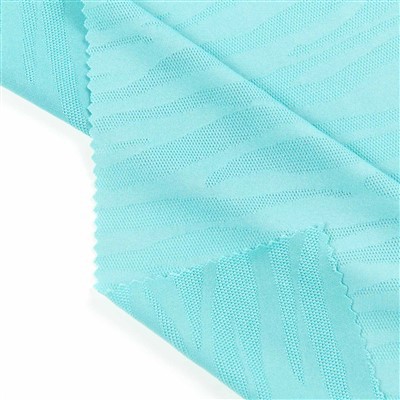
Pineapple Mesh is a type of fabric that is known for its distinctive mesh structure. It is typically made from high - quality synthetic fibers that offer a combination of strength, durability, and flexibility. The mesh design allows for air circulation while still providing a certain degree of barrier.
The manufacturing process of Pineapple Mesh ensures that it has a consistent pattern and density. This consistency is crucial when considering its use in different applications, including windbreaks. The size of the mesh openings can be customized according to specific requirements, which gives it an edge over some other traditional windbreak materials.
Properties Relevant to Windbreak Use
Air Permeability
One of the key factors in a good windbreak is its ability to allow some air to pass through. A completely solid barrier can cause the wind to deflect upwards and create turbulence on the leeward side. Pineapple Mesh, with its mesh structure, allows a controlled amount of air to flow through. This helps to reduce the wind speed gradually rather than abruptly, which is beneficial for protecting areas such as agricultural fields, gardens, or outdoor seating areas.
Strength and Durability
Wind can exert significant force on a windbreak. Pineapple Mesh is made from strong synthetic fibers that can withstand high - wind conditions. It is resistant to tearing and abrasion, which means it can last for a long time even in harsh environments. This durability reduces the need for frequent replacements, making it a cost - effective option in the long run.
UV Resistance
Many windbreaks are installed outdoors and are exposed to sunlight for long periods. Pineapple Mesh is often treated to be UV - resistant. This property prevents the fabric from degrading due to sun exposure, maintaining its strength and appearance over time.
Case Studies and Practical Applications
There have been several instances where Pineapple Mesh has been used as a windbreak. In some small - scale agricultural farms, farmers have installed Pineapple Mesh around their crops. The controlled air flow provided by the mesh has helped to protect the plants from strong winds without creating a stagnant environment. This has led to better crop yields as the plants are not damaged by the wind and can still receive adequate ventilation.
In urban settings, Pineapple Mesh has been used as a windbreak for outdoor cafes and restaurants. By reducing the wind speed, it creates a more comfortable dining environment for customers. The mesh also adds a modern and aesthetically pleasing look to the outdoor area.
Comparison with Other Windbreak Materials
Traditional Solid Fences
Traditional solid fences are commonly used as windbreaks. However, they can create a large amount of turbulence on the leeward side. In contrast, Pineapple Mesh's ability to allow air to pass through results in a more even distribution of wind reduction. Solid fences also tend to be more expensive to install and may require more maintenance over time.


Other Mesh Materials
There are other mesh materials available in the market, but Pineapple Mesh stands out due to its unique combination of properties. For example, some meshes may not be as strong or UV - resistant as Pineapple Mesh. The customizability of Pineapple Mesh in terms of mesh size and fiber type also gives it an advantage over many other mesh options.
Complementary Products
In addition to Pineapple Mesh, we also offer other high - quality fabrics that can be used in conjunction with Pineapple Mesh for enhanced windbreak performance. For instance, the Graphene single sided Fabric has excellent thermal properties and can be used in combination with Pineapple Mesh to create a windbreak that also provides some insulation.
The Technical Fiber Fabric is known for its high - tech fiber composition, which can add an extra layer of strength and functionality to the windbreak system. And the Celis 100% Polyester Single Jersey Fabric offers a soft yet durable option that can be used for more aesthetic or lightweight windbreak applications.
Conclusion and Call to Action
In conclusion, Pineapple Mesh has great potential as a windbreak material. Its air permeability, strength, durability, and UV resistance make it a suitable choice for a variety of applications. Whether you are a farmer looking to protect your crops, a business owner wanting to create a comfortable outdoor space, or an individual interested in a reliable windbreak solution for your garden, Pineapple Mesh can meet your needs.
If you are interested in learning more about Pineapple Mesh or any of our other products, or if you want to discuss a potential windbreak project, please feel free to reach out. We are here to provide you with detailed information, samples, and help you find the best solution for your specific requirements.
References
- [List of relevant industry reports on windbreak materials]
- [Case studies on the use of mesh materials for windbreaks]
- [Technical specifications of Pineapple Mesh and related fabrics]