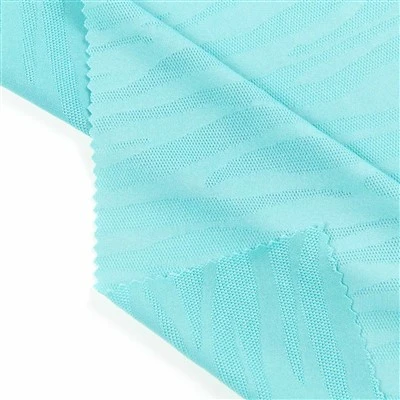
Polyester Wave Mesh Fabric is a knitted textile featuring a wave-textured surface and an open mesh structure. Made from polyester filament yarns, it is used in applications requiring airflow, a textured surface, and a balance between fabric weight and structural support. Potential applications include sportswear panels, footwear components, backpack padding, and ventilation sections in furniture.
The wave pattern distinguishes this fabric from conventional flat mesh. Its suitability for a specific application depends on mesh opening, thickness, fabric weight, tensile properties, abrasion resistance, and dimensional stability. Buyers should evaluate these characteristics against the requirements of the finished product rather than selecting fabric by appearance alone.
Key Features
Wave-Textured Knitted Structure: The raised surface creates a distinctive appearance for visible panels, linings, and components requiring an open textile structure.
Polyester Filament Material: Polyester filament yarns are suitable for knitted mesh constructions used in apparel, footwear, bags, and selected technical textile components. Fabric performance depends on yarn properties, knitting structure, and finishing.
Multiple Weight Options: Different fabric weights support selection according to coverage, flexibility, and the structural requirements of the finished component.
Color Customization: Buyers can specify a target color using a physical swatch or a recognized color reference for sample development.
Functional Finishing Options: Moisture-management, antistatic, antimicrobial, and flame-retardant treatments can be evaluated as separate requirements. Each treatment should be matched to the intended application and relevant performance test.
Technical Specifications
|
Parameter |
Specification |
|
Material |
Polyester filament yarn |
|
Fabric Structure |
Wave-textured knitted mesh |
|
Layer Construction |
Single-layer or double-layer |
|
Fabric Weight |
120–320 g/m² |
|
Weight Tolerance |
±5% |
|
Usable Width |
58–62 in (147–157 cm) |
|
Air Permeability |
300–800 mm/s |
|
Bursting Strength |
≥250 kPa |
|
Dimensional Change After Washing |
Within ±3.0% |
|
Color Fastness to Washing |
Grade 4–5 |
|
Color Options |
Custom colors |
|
Fabric Supply Form |
Rolls |
Applications
Sportswear and Outdoor Apparel: Suitable fabric constructions can be evaluated for ventilation panels in training tops, running garments, and lightweight outerwear. Selection should consider stretch requirements, garment construction, skin contact, and washing performance.
Footwear Components: Potential uses include shoe uppers, tongue panels, and lining components. Abrasion resistance, repeated flexing, and lamination compatibility are important evaluation factors for footwear production.
Backpacks and Luggage: Wave mesh can be considered for back panels, shoulder strap covers, and pocket sections. Buyers should assess compressibility, tear resistance, sewing behavior, and dimensional stability according to the finished design.
Furniture and Interior Components: Potential uses include office chair panels, mattress ventilation sections, and selected interior inserts. Requirements for abrasion resistance, flammability, color stability, and applicable industry testing should be established before material approval.
Available Configurations
Fabric specifications can be organized by weight, usable width, color, layer construction, and yarn selection. Buyers specifying recycled polyester should state the required recycled content and identify any documentation needed for material traceability.
Finishing requirements should be defined by their intended function. For example, moisture-management treatments should be evaluated using an appropriate moisture-related test, while flame-retardant finishes require a clearly identified standard and test method. Antistatic and antimicrobial claims should also be supported by relevant test results.
For color development, buyers can provide a physical swatch or a recognized color reference. Color tolerance should be agreed upon before bulk production. Packaging instructions may specify roll dimensions, labels, protective wrapping, and carton or bale requirements for shipment.
Frequently Asked Questions
Q: What information is required for a quotation?
A: Provide the target weight, usable width, intended application, color, estimated quantity, finishing requirements, and delivery destination. A reference sample can help clarify the required texture and mesh construction.
Q: Can custom colors be developed?
A: Color development can be based on a physical sample or color reference. Buyers should confirm the required color tolerance and sample approval procedure before bulk production.
Q: Can the fabric use recycled polyester?
A: Recycled polyester can be specified when the material is included in the confirmed product range. Buyers requiring recycled-content documentation should identify the required standard and supporting records.
Q: What technical documents can buyers request?
A: Relevant documents may include a product specification sheet and test reports for air permeability, bursting strength, dimensional change, and color fastness. Only completed and applicable test reports should be supplied as evidence of performance.
Request a Quote
To request a quotation for Polyester Wave Mesh Fabric, provide the target weight, usable width, application, color, estimated order quantity, and required performance characteristics. Include a reference sample when the wave texture, mesh opening, or surface appearance must match an existing material.
Clearly defined specifications allow the supplier to assess product suitability, prepare a sample proposal, and establish quotation requirements. Confirm the final technical specification, sample approval criteria, and applicable testing requirements before placing a bulk order.
Hot Tags: polyester wave mesh fabric, China polyester wave mesh fabric manufacturers, suppliers, factory, distressed velvet fabric, knitted wall hangings, leopard velvet fabric, pink polyester fabric, polyester in, velvet fabric by meter