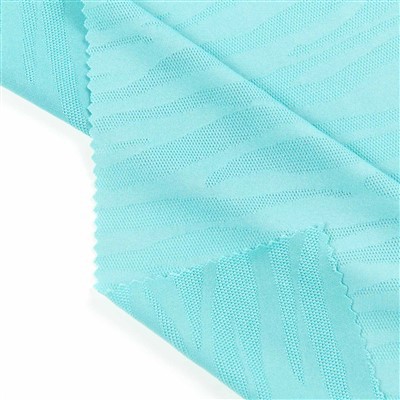
Pilling is a common issue that can significantly affect the appearance and quality of velvet fabric. As a trusted velvet supplier, I understand the importance of maintaining the pristine condition of our products. In this blog post, I will share some effective strategies on how to prevent pilling on velvet, ensuring that your velvet items remain luxurious and long - lasting.


Understanding the Cause of Pilling on Velvet
Before delving into prevention methods, it's crucial to understand what causes pilling on velvet. Pilling occurs when short fibers on the fabric surface become loose and entangle with each other due to friction. This friction can be caused by various factors, such as normal wear and tear, rubbing against other surfaces, or improper washing and drying methods.
Velvet is a delicate fabric with a dense pile of fibers. These fibers are more prone to pilling compared to other fabrics because they are easily dislodged from the base fabric. When the fabric is subjected to repeated friction, the loose fibers form small balls, or pills, on the surface, which can make the velvet look shabby and less appealing.
Choosing High - Quality Velvet
One of the most fundamental ways to prevent pilling is to start with high - quality velvet. At our supply, we take great care in sourcing and manufacturing our velvet fabrics. High - quality velvet is made from long and strong fibers that are less likely to break and form pills.
When selecting velvet, look for fabrics with a tight weave and a uniform pile. A well - made velvet will have fibers that are firmly attached to the base fabric, reducing the risk of pilling. Additionally, consider the fiber content. Velvet can be made from a variety of fibers, including silk, cotton, polyester, and blends. Each fiber has its own characteristics in terms of durability and pilling resistance. For example, 100% Polyester Double Faced Fabric can offer good durability and pilling resistance, especially in high - friction areas.
Proper Handling and Care During Use
Proper handling of velvet items during use can significantly reduce the risk of pilling. Here are some tips:
- Avoid Friction: Try to minimize the contact of velvet with rough or abrasive surfaces. For example, when wearing velvet clothing, avoid sitting on rough benches or rubbing against coarse materials. If you are using velvet furniture, place a soft cloth or cushion on areas that are likely to experience high friction, such as armrests.
- Be Gentle: When handling velvet, be gentle to prevent the fibers from being pulled or damaged. Avoid grabbing or tugging at the fabric, as this can cause the fibers to loosen and form pills.
Correct Washing and Drying Techniques
Washing and drying are critical stages that can either prevent or exacerbate pilling on velvet. Here are the best practices:
- Read the Care Label: Always start by reading the care label on your velvet item. Different types of velvet may have specific washing instructions. Some velvet can be machine - washed, while others require dry - cleaning.
- Use a Gentle Cycle: If machine - washing is recommended, use a gentle cycle with cold water. Cold water is less likely to damage the fibers compared to hot water. Additionally, use a mild detergent that is suitable for delicate fabrics. Avoid using harsh chemicals or bleach, as they can weaken the fibers and increase the risk of pilling.
- Turn the Item Inside - Out: Before washing, turn the velvet item inside - out. This helps to protect the pile from direct contact with the agitator and other items in the washing machine, reducing friction and pilling.
- Avoid Overloading the Machine: Do not overload the washing machine. Overcrowding can cause the items to rub against each other vigorously, leading to pilling. Leave enough space for the items to move freely during the wash cycle.
- Air - Dry or Use Low Heat: After washing, avoid using high - heat settings in the dryer. High heat can damage the fibers and cause them to shrink or pill. Instead, air - dry the velvet item by laying it flat on a clean, dry surface. If you need to use a dryer, select a low - heat setting and remove the item while it is still slightly damp.
Regular Maintenance
Regular maintenance can help keep velvet looking its best and prevent pilling. Here are some maintenance tips:
- Brushing: Use a soft - bristle brush to gently brush the velvet pile in the direction of the nap. This helps to keep the fibers upright and prevents them from matting or forming pills. Brushing should be done gently to avoid damaging the fibers.
- Vacuuming (for Furniture): If you have velvet furniture, use a soft - brush attachment on your vacuum cleaner to gently remove dust and debris from the surface. Vacuuming regularly can prevent dirt from accumulating and causing friction, which can lead to pilling.
Storage Considerations
Proper storage is also important in preventing pilling on velvet. Here's how to store your velvet items correctly:
- Fold Properly: When storing velvet clothing, fold it carefully to avoid creasing and damaging the fibers. Use acid - free tissue paper between the folds to protect the fabric.
- Avoid Compression: Do not store velvet items under heavy objects or in a tightly packed space. Compression can cause the fibers to become flattened and more prone to pilling.
- Keep in a Cool, Dry Place: Store velvet in a cool, dry place away from direct sunlight. Sunlight can fade the color of the velvet and weaken the fibers, increasing the risk of pilling.
Additional Product Recommendations
In addition to the above prevention methods, we also offer other high - quality knitted fabrics that are less prone to pilling and can be used in combination with velvet in various applications. For example, Fine Striped Brushed Fabric has a smooth surface and good durability, which can be a great choice for lining or trimming velvet items. 100% Polyester Wave Mesh Fabric is also a versatile option that can add a unique texture while being resistant to pilling.
Conclusion
Preventing pilling on velvet requires a combination of careful selection, proper handling, correct washing and drying techniques, regular maintenance, and appropriate storage. By following these tips, you can ensure that your velvet items retain their luxurious appearance and high quality for a long time.
As a leading velvet supplier, we are committed to providing you with the best - quality velvet and helpful advice on fabric care. If you are interested in purchasing our velvet or other knitted fabrics, we invite you to contact us for procurement discussions. We look forward to serving you and meeting your fabric needs.
References
- Textile Technology Handbook, 3rd Edition
- Guide to Fabric Care and Maintenance